Short list


of the Award 2026

On the website of the XII International Award «Small Energy — Big Achievements», from April 28  to November 6, 2026, 72 applications were received from 12 regions of Russia and the Republic of Azerbaijan. Based on the selection results by the Organizing Committee, in accordance with the Award Regulations, 65 projects were included in the Award's Shortlist.

The winners of the competition are determined by the International Expert Council for the award, which includes leading industry experts, as well as representatives of business, government, and academia from Russia, China, and the UAE.


The results of the 2026 Award will be announced on December 3, 2026, in Moscow, at the headquarters of the All-Russian public organization «Delovaya Rossiya» (Business Russia). Registration for the event will be announced separately.

1 nomination


«The best project in the field of small distributed power generation up to 5 MW»

1
Techexpo LLC
Russia, St. Petersburg

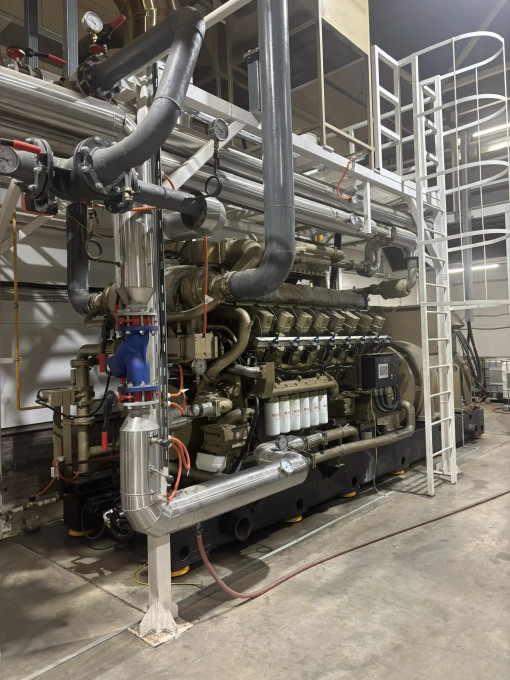
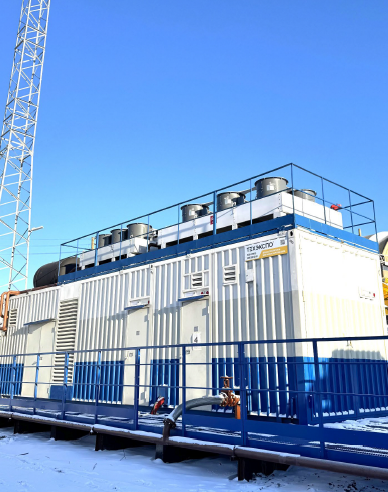
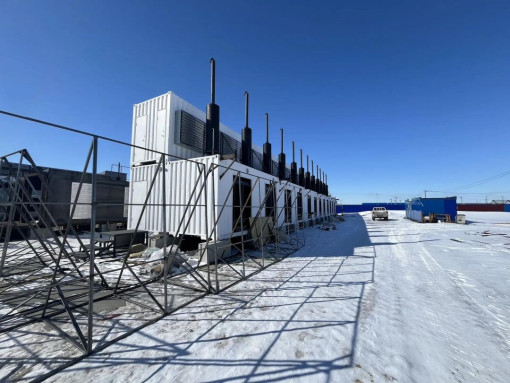
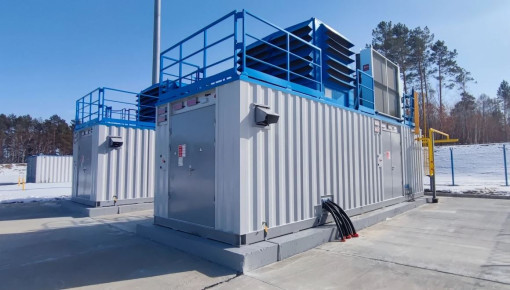
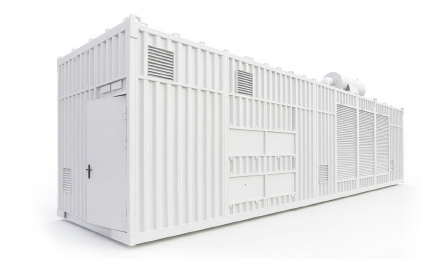
2.4 MW Power Complex for Emergency Supply at Kudankulam Nuclear Power Plant in India

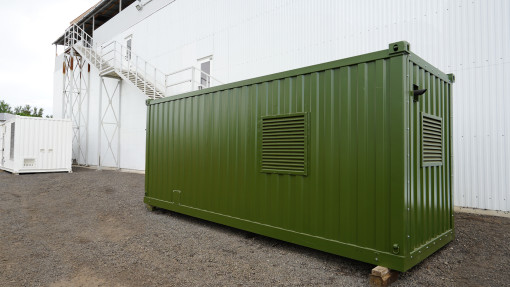
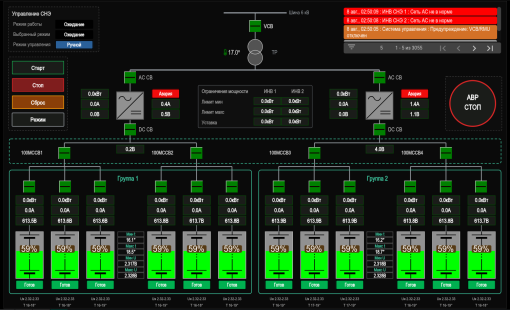
Techexpo supplied two alternative diesel power plants with a combined capacity of 2.4 MW for emergency power supply at Kudankulam Nuclear Power Plant in India. The containerised complex supplies critical plant systems for more than 24 hours during a complete loss of other AC power sources, with automatic startup and provision for load testing. The project meets stringent nuclear industry requirements for reliability, engineering quality and safety.

2
Techexpo LLC
Russia, St. Petersburg

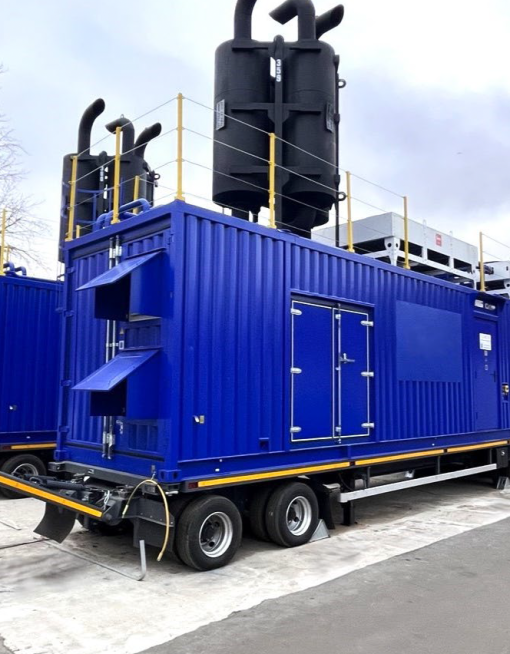
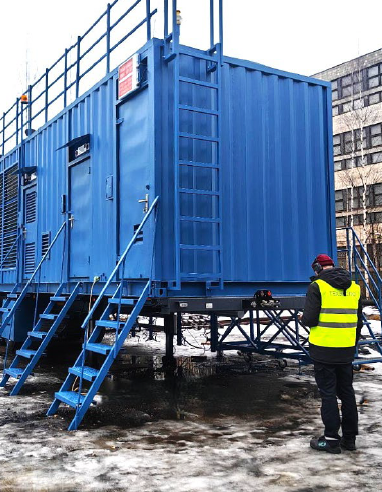
4.8 MW Mobile Power Complex for an Enterprise's Backup Electricity Supply

The project supplied two mobile diesel generator sets with a combined capacity of 4.8 MW to provide backup electricity for an enterprise. Housed in modular containers on road trailers, the power complex includes automation, electricity distribution and fire safety systems. The solution combines high reliability with mobility, allowing equipment to be relocated quickly as site requirements change.

3
INTECH LLC
Russia, Moscow region

Hybrid Power System with Intelligent Energy Flow Management

This 40 kW hybrid power system combines the external grid, solar generation, energy storage and a diesel generator into a single intelligently controlled installation. A central control system automatically distributes energy flows and selects the optimum power source, providing seamless transfer of critical loads to backup power. The solution extends site autonomy to 72 hours, optimises energy costs and ensures reliable operation across a temperature range of −40 to +55 °C.

4
GrandMotors JSC
Russia, Moscow

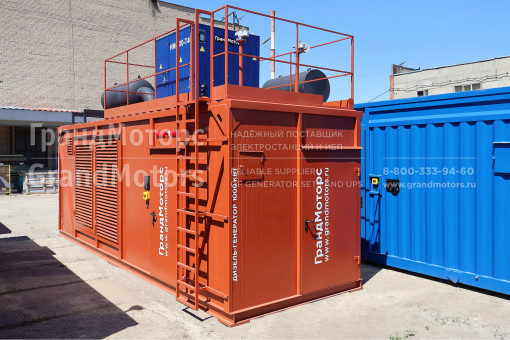
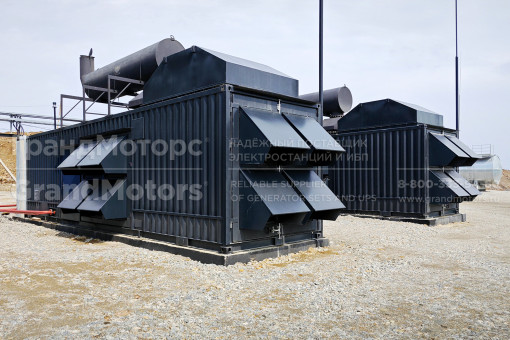
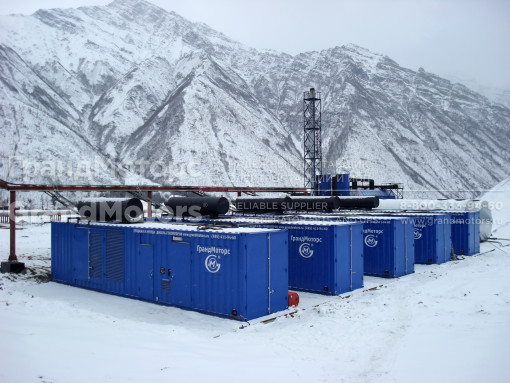
2,750 kVA Diesel Generator for a Boiler House in Southern Russia

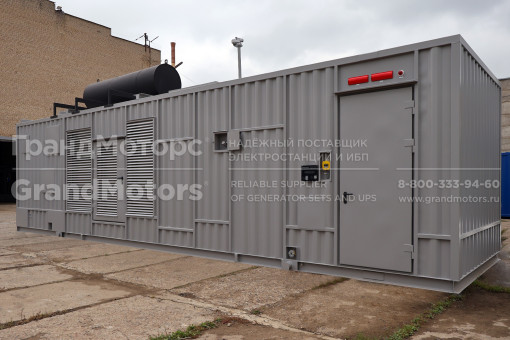
A containerised GMGen Power Systems GMM2800 diesel generator set with a standby rating of 2,750 kVA provides reliable backup electricity for a boiler house in southern Russia. It uses a Mitsubishi engine and a Leroy Somer alternator. The specialist container, manufactured in-house, includes fire suppression systems, a fuel tank and noise attenuation equipment. Parallel operation of multiple units enables the power complex's capacity to be expanded when required.

5
GrandMotors JSC
Russia, Moscow

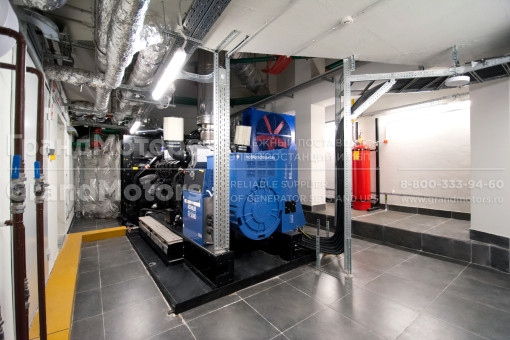
1,250 kVA Diesel Generator for the Sochi Sanatorium

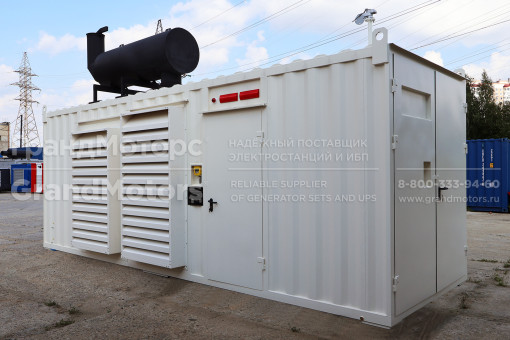
A containerised GMGen Power Systems GMP1250 diesel generator set rated at 1,250 kVA provides backup electricity for the Sochi Sanatorium of the Administrative Directorate of the President of the Russian Federation. The Perkins-powered unit is housed in a specialist container manufactured in-house, protecting the equipment and ensuring reliable operation, including winter startup. The solution also includes a fuel system for extended autonomy and noise attenuation tailored to its location within a recreational complex.

6
GenMaster LLC
Russia, Ivanteyevka

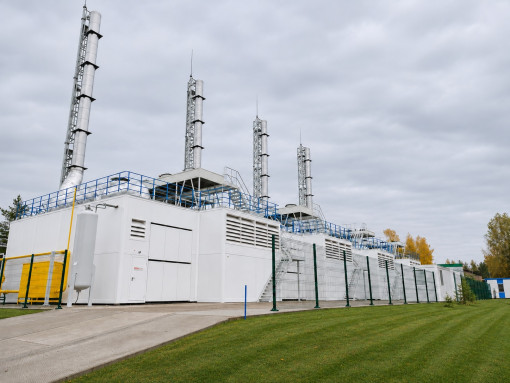
4.5 MW Power Centre in Sofrino, Moscow Region

A power centre with a total electrical capacity of 4.5 MW has been implemented in Sofrino, Moscow Region, using three CNPC Jichai gas engine generating units with heat recovery. The installation provides combined heat and power generation, including automatic heat recovery from cooling systems and exhaust gases. An intelligent control system enables automatic synchronisation with two grid incomers, seamless transfer between them and transition to island operation if the external power supply fails. Energy flows and equipment are monitored through an integrated SCADA system.

7
GrandMotors JSC
Russia, Moscow

1,000 kW Diesel Generator for a Coffee Roasting Enterprise

A containerised GMGen Power Systems GMM1400 diesel power plant rated at 1,000 kW provides backup electricity for a major coffee roasting and supply enterprise. The unit includes a Mitsubishi diesel engine, a Leroy Somer alternator, two 990-litre fuel tanks and a 300 kW load bank for maintaining optimum loading and conducting tests. The company's own Sever container was finished in a coffee colour at the customer's request. GrandMotors specialists performed commissioning, checked operating modes and trained personnel. The equipment passed load tests at 75%, 100% and 110% of rated power.

8
Techexpo LLC
Russia, St. Petersburg

4 MW Mobile Power Complex for Emergency Supply at Akkuyu Nuclear Power Plant in Türkiye

Techexpo supplied two mobile diesel power plants with a combined capacity of 4 MW for emergency power supply at Akkuyu Nuclear Power Plant in Türkiye. Housed in containers on semi-trailers, the units supply critical plant systems for more than 72 hours during a complete loss of AC power sources. The complex includes electricity distribution systems and quick-connect cable connections, combining mobility, seismic resistance and compliance with the nuclear industry's enhanced safety requirements.

Co-organizer
Organizer

2 nomination


«The best project in the field of small distributed power generation with a capacity of more than 5 MW»

1
DVEUK-GenerationGrids JSC
Russia, Vladivostok

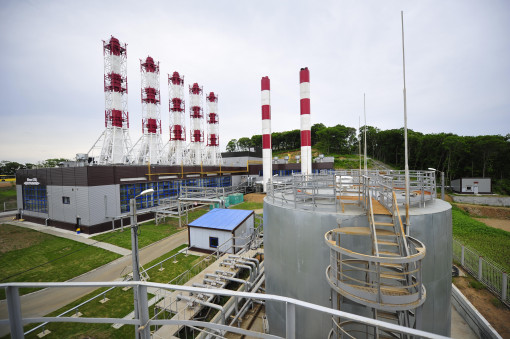
Small-Scale CHP Plant Complex on Russky Island, Vladivostok

A complex of three small-scale combined heat and power plants supplies heat and electricity to infrastructure on Russky Island, including the Far Eastern Federal University campus and the Primorsky Aquarium. The plants use distributed cogeneration: gas turbines generate electricity, while exhaust heat is recovered for heating. Backup boilers maintain heat supply, and diesel power plants assist with startup. To improve supply reliability, the island is connected to the mainland by a 220 kV submarine power line. The plants support the regional power system and ensure a reliable energy supply for the Eastern Economic Forum.

2
GrandMotors JSC
Russia, Moscow

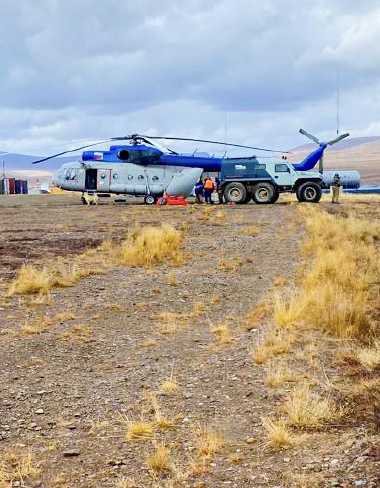
6.4 MW Power Complex for a Gold Mine in Zabaykalsky Territory

GrandMotors supplied and commissioned a 6.4 MW containerised power complex serving as the main electricity source for a gold mine. Four GMGen Power Systems GMC2250 HV6.3 diesel generator sets operate in parallel to supply production facilities. The equipment is adapted to a harsh climate and designed for temperatures as low as −60 °C. The complex includes an automated control system. The specialists completed installation, commissioning, testing and personnel training.

3
Techexpo LLC
Russia, St. Petersburg

6 MW Stand-Alone Power Complex for a Mine and Workers' Camp in Chukotka

In 2026, Techexpo supplied generating and auxiliary equipment for a 6 MW stand-alone power complex in the Chukotka Autonomous Area. It comprises six diesel generator sets, automatic control systems and N+2 redundancy. The solution provides year-round electricity to a mine and workers' camp in harsh climatic conditions, ensuring continuous operation, reliability and energy independence at a remote site.

4
GrandMotors JSC
Russia, Moscow

9.2 MW Assured Power Supply System for Sber's Moscow Headquarters

GrandMotors designed and delivered a turnkey assured power supply system for Sber's headquarters, a multifunctional complex in Moscow comprising two skyscrapers measuring 193 and 168 metres in height. The company supplied diesel generator sets with Mitsubishi engines providing a combined standby capacity of 9.2 MW, along with switchgear based on ABB components. The GrandMotors team carried out construction, installation and commissioning, completed acceptance tests and obtained Rostekhnadzor authorisation for the electrical installation.

5
MKS Group
Russia, Chelyabinsk

17.2 MW Power Centre for the Kamenskaya Paper and Board Mill in Tver Region

In 2025, MKS Group delivered one of the largest power centres in Russia's pulp and paper industry for the Kamenskaya Paper and Board Mill. Four MWM and CAT gas engine generating units meet up to 90% of the mill's electricity demand, reducing dependence on the external grid. Recovered heat is used to produce up to 10 tonnes of steam per hour and is integrated into the enterprise's heating network.

6
Valdex Energetika LLC
Russia, Odintsovo

144.9 MW Power Centre for EKO-CULTURE Agricultural Holding

Valdex Energetika built one of Russia's largest power centres for the Ovoshchi Chernozemya greenhouse complex in Lipetsk Region: eight generating units with a combined electrical capacity of 144.9 MW and thermal capacity of 129.3 MW. Jenbacher gas engines supply the greenhouses with electricity and heat, while CO₂ from the flue gases, purified using catalytic converters, is used to stimulate plant growth.

7
Techexpo LLC
Russia, St. Petersburg

10 MW High-Voltage Containerised Power Complex for a Mining and Processing Plant in Magadan Region

In 2025, Techexpo supplied five high-voltage diesel power plants with a combined capacity of 10 MW for a mining and processing facility in Magadan Region. The units are housed in Sever-type containers and provide backup power for the substation to maintain continuous production. The complex includes 10 kV switchgear and remote control and monitoring systems. The project combines high capacity and reliability with adaptation to the region's harsh climate.

8
Valdex Energetika LLC
Russia, Odintsovo

50 MW Power Centre for Municipal Grids in the Republic of Armenia

A modern power centre has been implemented in Armenia to provide a reliable electricity supply to municipal grids. Four MAN gas engine generating units rated at 12.5 MW each provide a combined electrical capacity of 50 MW. The facility's thermal capacity is 6 MW. Reliable and efficient equipment strengthens the energy infrastructure and helps maintain stable municipal grid operation.

9
GrandMotors JSC
Russia, Moscow

Power Centre for a Mine in Yakutia

GrandMotors built a power centre for a gold mining site in Yakutia using seven GMGen GMM2200 diesel generator sets operating at 6.3 kV. In 2025–2026, the company supplied another six units to replace previously installed equipment. All units passed full-load testing, confirming their readiness for operation in harsh climatic conditions.

10
RusHydro PJSC
Russia, Krasnoyarsk

Arctic Energy: A 9.3 MW Automated Hybrid Power Complex in Chersky, Republic of Sakha (Yakutia)

A power complex comprising six diesel generator sets with a combined capacity of 9.3 MW was commissioned in Chersky, Republic of Sakha (Yakutia), in September 2025. It provides a local source of electricity and a reliable supply for residents and businesses, reducing the settlement's dependence on a 280 km transmission line. The project also supports Arctic infrastructure development and is expected to reduce electricity supply costs by up to 30%.

General partners
Official partners

3 nomination


«Best Renewable Energy, Storage and Electric Transportation Project»

1
RusHydro PJSC
Russia, Krasnoyarsk

Cherekskaya Small Hydropower Plant — The Fourth Stage of the Lower Cherek Cascade

Cherekskaya Small Hydropower Plant was commissioned on 17 July 2025 near Psygansu in Kabardino-Balkaria. With a capacity of 23.4 MW and three generating units, it can produce an average of 87.1 GWh of electricity annually. Its key engineering feature is the reuse of water that has already passed through Zaragizhskaya Hydropower Plant: the water enters the diversion system without returning to the Cherek riverbed. The scheme requires neither a reservoir nor flow regulation, and turbine efficiency is at least 95% at the design head. Cherekskaya is also integrated into the Unified Control Centre for the small hydropower cascade, Russia's first implementation of this remote monitoring and control system. The project makes better use of existing water resources, combining new renewable generation, environmental care and an equipment localisation level of 72.8%.
2
RusHydro PJSC
Russia, Krasnoyarsk

Bashennaya Small Hydropower Plant — New Renewable Generation on the Argun River

Bashennaya is a 10 MW diversion-type small hydropower plant on the Argun River in the Chechen Republic. Its two generating units produce approximately 52.7 million kWh of renewable electricity annually, enough to supply more than 10,000 households. Engineering features include a diversion tunnel approximately 1.45 km long and a hyperconverged control system integrating computing, data storage and virtualisation. The plant was built without a high dam or reservoir and uses fish protection equipment. At commissioning, Bashennaya became the republic's largest hydropower facility and created 28 new jobs in the region.

3
Solergy LLC
Russia, Moscow

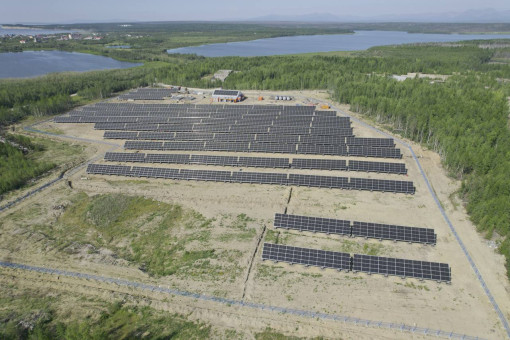
Shared Solar Power Plant for an Agricultural Complex in Krasnodar Territory

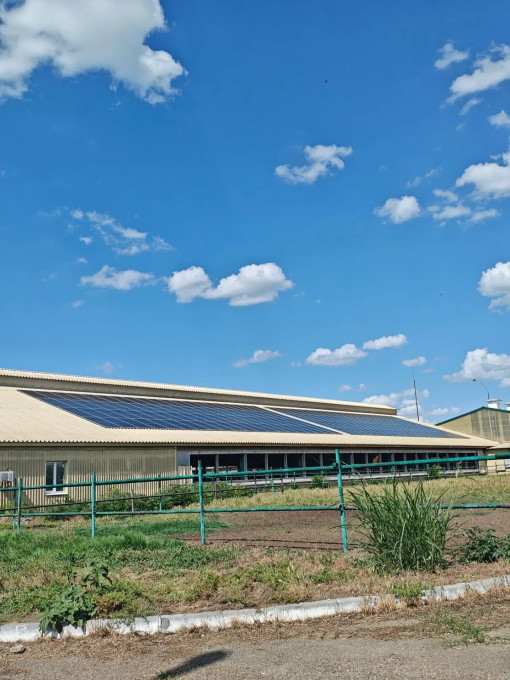
A shared solar power plant for an agricultural complex in Krasnodar Territory is a distributed solar generation project based on an energy-as-a-service model. Solergy designs, builds and operates the plant on the customer's premises at its own expense, while the agricultural complex pays only for the electricity actually generated and consumed, with no capital investment in its own generation assets. The project helps reduce electricity costs and pressure on rural grids during the summer peak. This model supports supply reliability and could be replicated at agricultural businesses across the territory.
4
Uralenergosbyt LLC
Russia, Chelyabinsk

Energy Storage System for an Industrial Enterprise in Shadrinsk, Kurgan Region

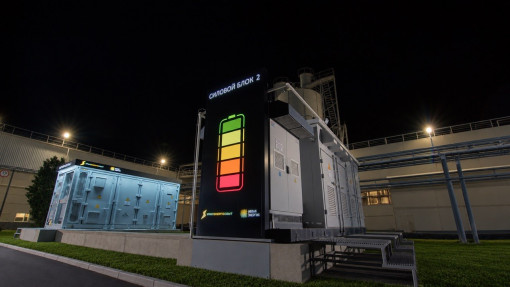
The energy storage system for Technoceramica in Shadrinsk is a containerised 5 MW / 10 MWh installation integrated into the enterprise's existing 10 kV network. Two independent units store electricity during low-load periods and release it during peak demand, helping manage energy costs and supply reliability. According to public sources available at the time of publication, it is Russia's largest energy storage system installed at an industrial consumer's site and used to manage the cost and reliability of its electricity supply.

5
GEOTERMO
Russia, Moscow

Geothermal Heating for the 12,000 m² POTOK Engineering Plant

The geothermal system at the POTOK plant in New Moscow provides heating, cooling and hot water for a 12,000 m² building. Eight Russian-made heat pumps with a combined capacity of 400 kW use ground heat. Geothermal borehole probes are located directly beneath the building, eliminating the need for a separate plot. The project demonstrated that a geothermal solution can be a practical alternative to connecting an industrial site to the gas network: the system was built in three months, and capital expenditure was half the estimated cost of the gas-based option. Project calculations also indicate an annual emissions reduction of approximately 203 tonnes of CO₂ equivalent.

6
Electrohub JSC
Russia, Saint Petersburg

Pravoberezhny EV Charging Hub in St Petersburg

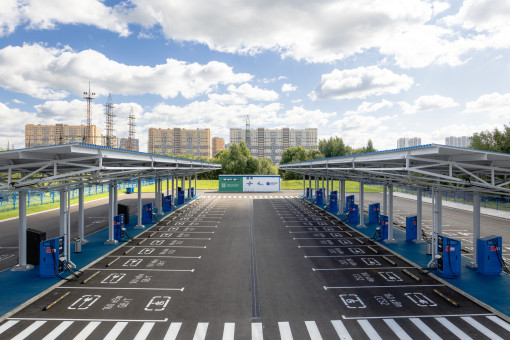
Pravoberezhny is a round-the-clock charging complex on Oktyabrskaya Embankment in St Petersburg. The site has 22 fast charging stations with 80 charging ports and a total connected capacity of 4 MW. At its opening, the city administration described it as the largest EV charging hub in Russia and the CIS. The hub uses Russian-made ReWatt charging stations and supports several connector standards. Separate areas for passenger cars, electric buses and municipal vehicles, together with a café, coworking space and heated lounge, make it suitable for different types of electric transport. The project demonstrates how a large urban charging complex can combine high-capacity power infrastructure, fast charging and driver amenities.

7
Mosgortrans, Moscow State Unitary Enterprise
Russia, Moscow

Charging Stations for Electric Buses in Moscow

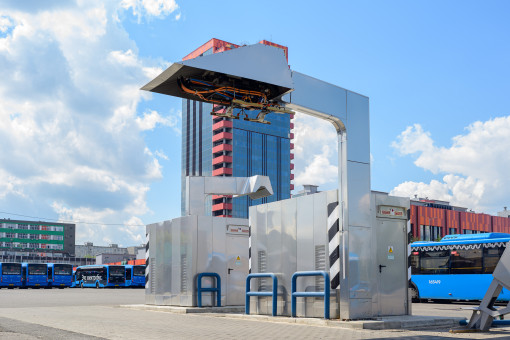
Moscow's network of ultra-fast electric bus charging stations has been developed in stages since 2018. A total of 479 stations rated at up to 300 kW have been installed at bus depots and termini. Charging replenishes energy during regular route operations: a 70 kWh traction battery can be charged in approximately 24 minutes. The stations operate at temperatures from −40 to +40 °C and support remote diagnostics and flexible power allocation between charging points. This infrastructure enables regular electric transport operations in a major city and integrates charging into the bus network's daily service.

8
Vector Energy LLC
Russia, Moscow

Stand-Alone Power Supply for a Russian Railways Infrastructure Facility with up to Eight Days of Backup

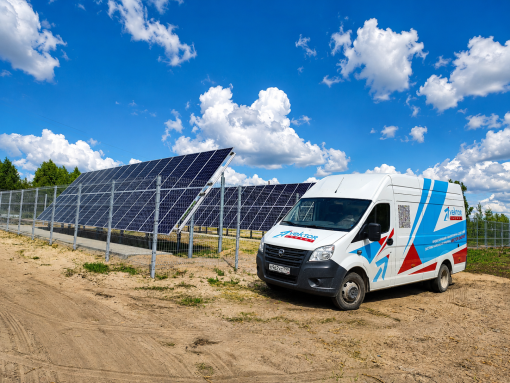
The stand-alone power system at Svezhenkaya station provides backup power for critical railway infrastructure equipment. It combines a 41.5 kW solar power plant, a 430 kWh lithium iron phosphate battery system and automated controls. If the sole external power line fails, the facility automatically switches to backup power and can operate independently for up to eight days. The project improved supply reliability at the remote station without constructing a second transmission line.

9
Systemotekhnika LLC
Russia, Moscow

Moscow's First 1,000 kW Electrical Energy Storage System

A 1 MW / 1.09 MWh energy storage system for an office building in Moscow was commissioned in June 2026. The containerised installation uses LFP batteries, connects to the main distribution board and is managed by Russian software. In peak-shaving mode, it automatically covers demand peaks, helping keep consumption within the allocated capacity and avoid the cost of a larger grid connection. The system also provides an additional layer of backup: full power output begins within 10 ms of a command. According to the project, this is Moscow's first energy storage system of this capacity.

10
Re-Volts LLC
Russia

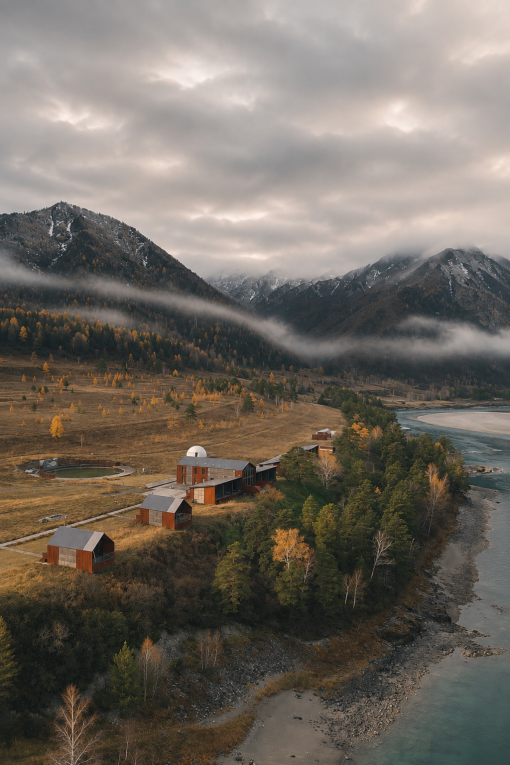
An Off-Grid Energy System on the Katun River: Generation and Storage for the Tikhiy Bereg Hotel in the Altai Republic

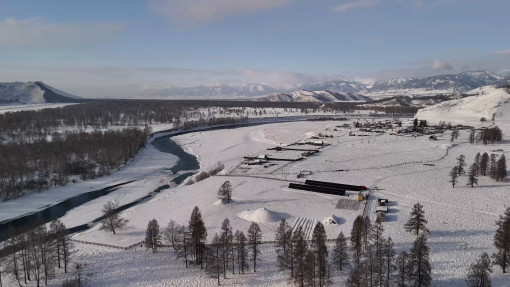
A stand-alone solar power plant for an eco-hotel in Ak-Koba, Altai Republic, was commissioned in January 2026. Two solar arrays with a combined capacity of 90 kW operate with 60 kW of inverter capacity and 240 kWh of energy storage. The plant supplies not only the hotel but also a church and a children's rehabilitation camp under construction. A key feature is that the system was developed entirely in Russia, with batteries designed and assembled in St Petersburg. The modular storage design simplifies repairs and upgrades, including at remote sites, while protection of live conductors improves operational safety.

11
Re-Volts LLC
Russia, Saint Petersburg

Stand-Alone Power Complex for the Zemli Sily Creative Cluster in the Altai Republic

The stand-alone power complex at the Zemli Sily creative cluster in the Altai Republic supplies guest accommodation, workshops and other facilities without a connection to the central grid. It combines 74.2 kW of solar panels, 133.5 kWh of energy storage and a backup diesel generator. A distinctive engineering feature is its distributed microgrid architecture: a separate power station supplies remote buildings, improving fault tolerance. The panels are mounted on four planes with different inclinations and orientations, including vertically on a façade, to support winter generation. In 2026, the complex met the site's annual consumption without purchasing electricity from external grids.

12
RusHydro PJSC
Russia, Krasnoyarsk

A New Technological Approach to Renewable Generation and a Virtual Synchronous Machine in an Automated Hybrid Power Complex Serving Sangar, Republic of Sakha (Yakutia)

RusHydro Group has developed a 9.3 MW automated hybrid power complex in Sangar, Republic of Sakha (Yakutia), combining diesel and solar generation, energy storage and a virtual synchronous machine. Intelligent control enables effective integration of renewable energy, improves power supply reliability and reduces diesel fuel consumption by up to 34%.

Partners
Strategic partners

4 nomination


«Domestic development in the field of small-scale distributed energy»

1
Avtodizel PJSC (YaMZ)
Russia, Yaroslavl

Development of YaMZ-855 Diesel and Gas Engines for Small-Scale Power Generation

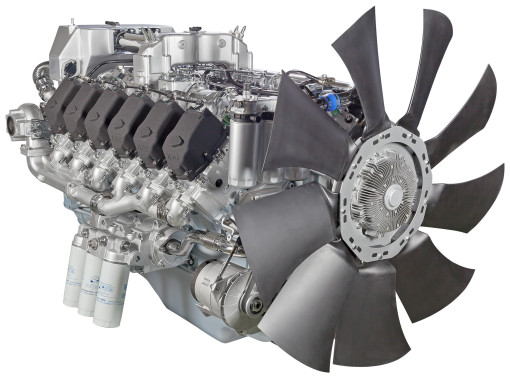
The YaMZ-855 project develops diesel and gas engines rated at 400–630 kW for small-scale power generation. It is YaMZ's first family of stationary gas engines developed as an integrated design through extensive modernisation of the series-produced YaMZ-845 engine. The diesel and gas versions share approximately 75% of their components, have completed comprehensive testing and are ready for series production. Pilot-production engines are already operating in customers' diesel and gas generator sets and at two of the manufacturer's own power centres. The development has achieved high specific performance figures.

2
Parus Electro LLC
Russia, Moscow

Development of a Family of Russian Bidirectional Inverters for Energy Storage Systems

Parus Electro has developed the first domestically produced bidirectional inverter for energy storage systems, rated at up to 1.5 MW. Created by a young engineering team using a series-produced solar inverter as its platform, the solution supports charging, discharging and grid-forming modes. A high level of localisation and extensive cooperation among Russian enterprises are expected to enable its inclusion in the Ministry of Industry and Trade's register in the near future. The development addresses critical dependence on imports in the energy storage segment and enables series production of equipment for small-scale and distributed energy in Russia.

3
RusHydro PJSC
Russia, Krasnoyarsk

Russian-Developed Process Control System for a Hybrid Wind–Diesel Power Plant

This Russian-developed process control system for a hybrid wind–diesel power plant integrates the control of diesel generators, wind turbines and energy storage in an off-grid network. An open inverter control algorithm and digital models with code generation for Russian controllers simplify configuration and deployment at different sites. The solutions have been validated on a physical model and during preparation of the system for the power complex in Tiksi. This RusHydro development provides a basis for replicating control systems independent of imported technology in remote and Arctic regions.

4
Chelyabinsk Electrical Equipment Plant (ChZEO)
Russia, Chelyabinsk

Switchgear for Samurskaya Small Hydropower Plant No. 14

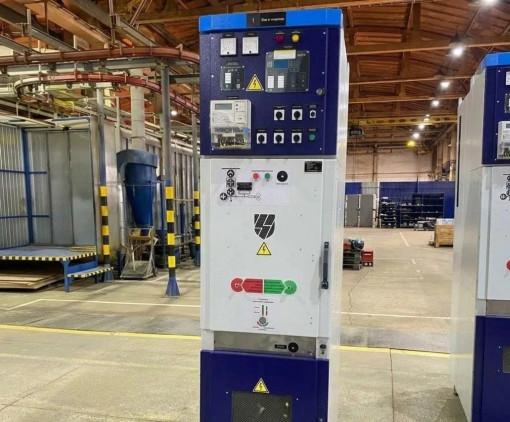
Elion switchgear manufactured by the Chelyabinsk Electrical Equipment Plant has been installed at the 0.99 MW Samurskaya Small Hydropower Plant No. 14, the first station in a small hydropower complex under construction in Dagestan. The cubicles connect the generating unit to the grid, provide synchronisation and protect equipment against abnormal operating conditions. The Russian-made equipment and components are certified by Russia's Ministry of Industry and Trade, demonstrating the readiness of domestic solutions for small hydropower.

5
Top Smart LLC
Russia, Barnaul

IZIQ — Intelligent Monitoring System

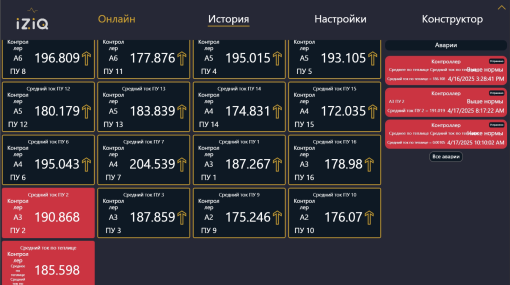
IZIQ is a hardware and software platform for intelligent energy monitoring at industrial enterprises, agricultural businesses and utilities. Non-invasive sensors and an edge gateway collect data from existing infrastructure without interrupting production, while analytics identify losses, anomalies, peak loads and potential equipment failures. Rapid deployment without equipment replacement makes the system accessible to a wide range of organisations. The solution has undergone pilot testing, including at a heating substation operated by Samolet Group.

6
Khait and Partners LLC
Russia, Kaliningrad

SOLAR Explosion-Proof Solar Modules

SOLAR and SOLAREX solar modules are manufactured at a full-cycle plant in Ryazan and designed for hazardous areas at oil and gas facilities. Their reinforced design, including the glass, junction boxes and cable glands, improves resistance to demanding operating conditions. The modules have been used at sites in Russia since 2017. In 2026, they were supplied for a 37 kW solar power plant on a Vietsovpetro offshore platform in Vietnam.

7
TurboDen LLC
Russia, Moscow

Turboexpander Generator Units

Turboexpander generator units produce electricity and cooling by using the pressure drop of natural gas, without burning fuel. Units rated from 1.5 to 8 MW are used at gas distribution stations and gas fields, including for low-temperature gas treatment. More than 15 projects have been implemented. The technology also enables electricity generation to be integrated with LNG production and CO₂ utilisation.

8
VTR Engineering LLC
Russia, Saint Petersburg

IPMon — A Unified Management Platform for Small-Scale and Distributed Energy Facilities

IPMon — российская программная платформа для автоматизации и управления объектами малой и распределённой энергетики. Она объединяет сбор данных, управление, визуализацию, архивирование и удалённое обслуживание, а также содержит специализированную логику управления гибридной генерацией. С 2018 года системы на базе IPMon работают более чем на 30 объектах десяти типов, включая энергокомплексы в Якутии, арктические ветроустановки и накопители энергии. Программа зарегистрирована Роспатентом.

9
Russian Electrotechnical Society LLC
Russia, Saint Petersburg

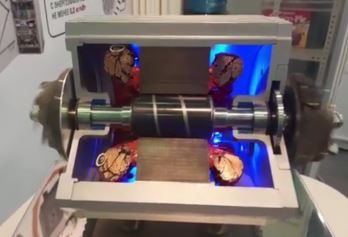
SNEGIR 100 kVA Electrical Energy Storage System

Система накопления электрической энергии «Снегирь» мощностью 100 кВА предназначена для накопления, хранения электрической энергии и отдачи ее в сеть или нагрузку с целью поддержания функционирования энергосистемы, повышения эффективности ее работы и обеспечения требуемого качества электрической энергии. Силовая часть инвертора реализована на базе силовых ячеек (модулей) разработки и производства «РЭО». СНЭЭ "Снегирь" - высокотехнологичное решение для применения в энергосистемах различного масштаба, от малых автономных до крупных сетевых объектов. 

Information Partners

5 nomination


"Best Data Center Power Supply Project"

1
GrandMotors JSC
Russia, Moscow

55 MVA Power Complex for a Nationwide Russian Social Network's Data Centre

The power complex for a Russian digital platform's data centre comprises 20 diesel generator sets rated at 2 MW each, installed across two sites. Its combined capacity is 40 MW (55 MVA). GrandMotors delivered the turnkey project ahead of schedule in nine months. Special containers tailored to the sites were developed to accommodate the equipment within limited space. The complex provides reliable backup power for critical digital infrastructure.

2
MS RUS Energy Solutions Group
Russia, Saint Petersburg

Power Centre for VimpelCom's Yaroslavl Technical Centre

The power centre at VimpelCom PJSC's Yaroslavl Technical Centre improves the reliability of the Tier III data centre's energy supply and helps reduce grid load. The first phase installed six gas engine generating units with a total capacity of 6.6 MW, operating in parallel with the grid. The key engineering solution is trigeneration: engine and exhaust heat is used to produce up to 3.6 MW of cooling through an absorption chiller. This reduces the load on the chillers while providing additional cooling redundancy.

3
AMPERIA
Russia, Novyy Urengoy

Power Supply for a Mining Centre / Data Centre in Novy Urengoy

The power centre for a mining facility and data centre in Novy Urengoy is being developed using gas generator sets. Its operating capacity is 12.5 MW, with a planned capacity of 180 MW and potential expansion to 360 MW. A distinctive engineering feature is its two-storey hangars, where power equipment and computing hardware are arranged to accommodate airflow and the harsh climate. Special cooling and automated climate control systems are designed for temperatures from −50 to +40 °C. Parallel operation of the generator sets supports a stated uptime of up to 98%.

4
VSP Global JSC
Russia, Moscow

Power Supply for the DolIIna IT Cluster in Leningrad Region

The power supply for the DolIIna IT cluster is part of a project to develop digital infrastructure for AI and high-performance computing in Leningrad Region. The cluster's power system is designed for loads of up to 50 MW and high-density AI racks rated from 10 to 120 kW and above. Electricity is supplied through a 110 kV network to the cluster's own Vostok 110/20 kV substation and then distributed among five independent 10 MW modules. If the external grid fails, each module is supported by backup diesel generators. Engineering systems are designed with N+1 redundancy, targeting Tier III requirements. Phased commissioning allows capacity to grow in line with demand.

5
ID-Engineering LLC
Russia, Moscow

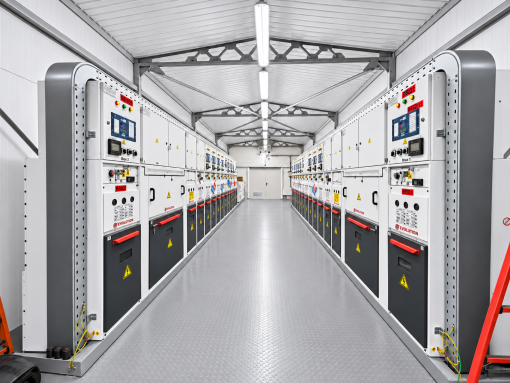
Development and Deployment of Russian-Made EVOLUTION 6–20 kV Switchgear for Data Centre Power Supply Projects

EVOLUTION 6–20 kV is Russian-made switchgear for data centres and other infrastructure facilities. Solid insulation eliminates the use of sulphur hexafluoride, while compact modular and monobloc cubicles save space and enable flexible substation expansion. The equipment has already been deployed in data centre projects in the Moscow and Leningrad regions. The project strengthens Russian capabilities in manufacturing critical electrical equipment and expands the range of domestic solutions for reliable power supply.

6
Novye Tekhnologii LLC
Russia, Moscow

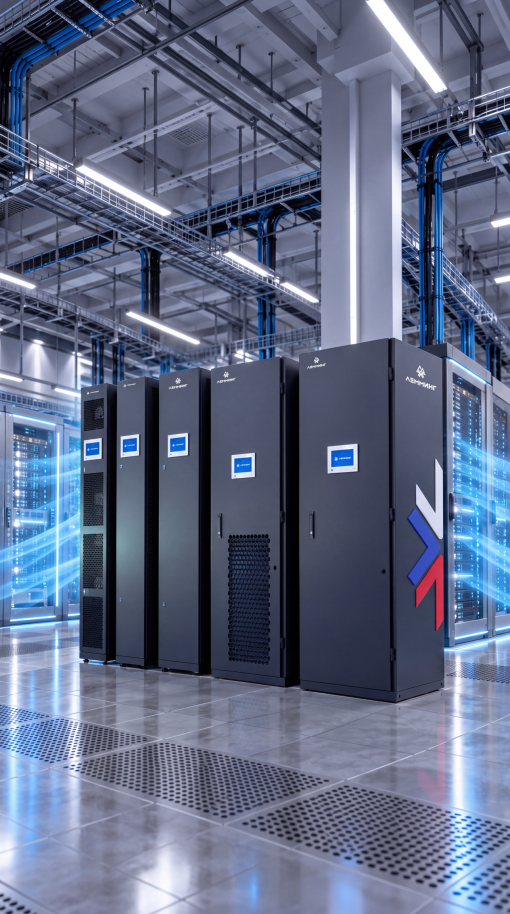
LEMMING: Improving Data Centre Energy Efficiency with Refrigerant-Based Free Cooling

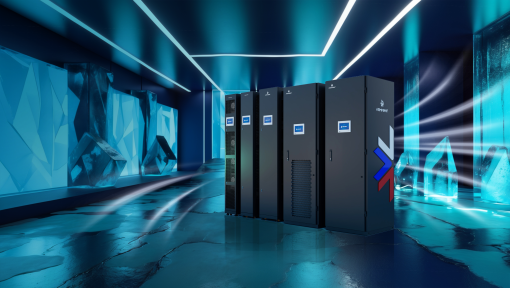
LEMMING precision air conditioners for data centres and server rooms use a refrigerant pump and a free cooling function. At low outdoor temperatures, the system uses ambient air to reject heat, reducing compressor operation and electricity consumption. Calculations for Moscow Region indicate electricity savings of 23–27%, with the additional investment potentially paying back in approximately 1.6–1.7 years. The solution helps reduce the cost of continuous cooling for digital infrastructure.

7
Novye Tekhnologii LLC
Russia, Moscow

Deployment of Energy-Efficient Precision Cooling with Free Cooling Technology at a VimpelCom Data Centre

A round-the-clock precision cooling system using 25 LEMMING air conditioners was designed and installed at a VimpelCom PJSC data centre. Free cooling technology with a refrigerant pump uses cold outdoor air, allowing the system to operate without compressors for up to six to seven months a year and reducing electricity consumption. The solution requires no water infrastructure, improves cooling reliability and is designed for temperatures as low as −60 °C. Its deployment enabled the customer to increase the IT load without raising electricity costs and to improve the data centre's power usage effectiveness (PUE).

Stay informed!

Operational news of the Award‑2026 – in the Telegram channel of the Distributed Power Generation Association

6 nomination


«Research and development in the field of small distributed energy»

1
Parus Electro LLC
Russia, Moscow

Russia's First Modular String Inverter for Solar Power Plants

Russia's first modular string inverters rated at 200 and 350 kW for solar power plants were developed on a common platform with multichannel MPPT and a proprietary vector control system. The modular design simplifies maintenance and replacement of power modules, while a high level of localisation and entirely Russian software ensure technological independence. The development targets import substitution in solar generation and establishes a domestic technological base for small-scale distributed energy.

2
LUKOIL-Energoengineering LLC
Russia, Moscow

Innovative GTA-8R Marine Gas Turbine Unit — Power Supply for Challenging Offshore and Geopolitical Conditions

The Russian-made GTA-8R marine gas turbine generating unit, rated at 8 MW, is designed to provide stand-alone electricity for offshore facilities. It is a fully import-substituted gas turbine unit capable of operating in harsh climatic conditions and intended to replace imported alternatives. Key advantages include dual-fuel operation on gas and diesel, including fuel gas with a high hydrogen sulphide content, and complete independence in manufacturing and servicing. The project is under implementation.

3
Rosseti Centre PJSC
Russia, Moscow

PAUK Hardware and Software System for Recognising Electricity Meter Readings and Condition

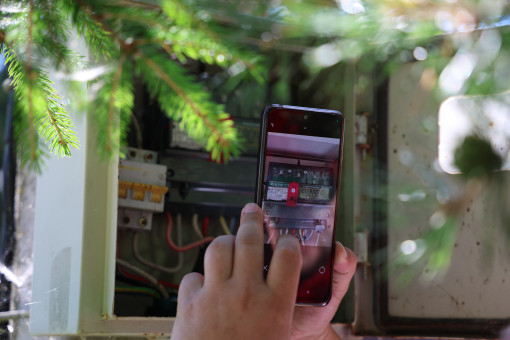
The PAUK hardware and software system uses machine learning to automatically recognise electricity meter readings and assess meter condition. It processes photographs and video from mobile devices, reducing staff workload and minimising errors in data collection and entry. Further training can extend the system's capabilities, including to seal number recognition, improving metering accuracy and reducing disputes with guaranteeing electricity suppliers.

4
National Research University Moscow Power Engineering Institute (Mohammadreza Shekari)
Russia, Moscow

Development of Engineering Solutions for Thermal Power Plant Black Start

National Research University Moscow Power Engineering Institute developed and scientifically substantiated engineering solutions for starting a 450 MW combined-cycle generating unit from an emergency diesel power plant during a complete external grid blackout. Comprehensive modelling established the optimum parameters and configuration of backup generation and produced solutions to improve dynamic performance, reduce transformer magnetising inrush currents and synchronise power sources. The approaches reduce the required installed capacity of the emergency diesel power plant by 10–15% relative to the capacity of the connected loads and enable a black start of the generating unit from cold conditions. The findings can be applied to the design and modernisation of emergency power systems at thermal power plants.

5
Sergey Nikolayevich Belozyorov
Russia, Petrozavodsk

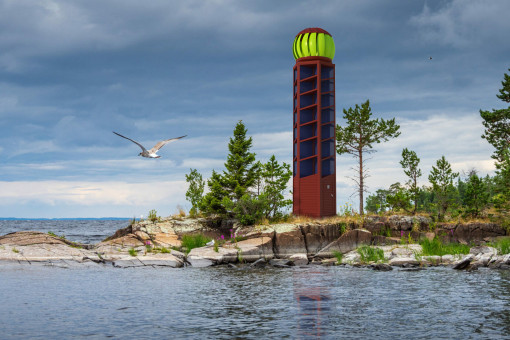
Wind Turbine with Stationary Wind-Guiding Blades

This original wind turbine design uses stationary wind-guiding blades combined into a vertical air duct. Its distinctive aerodynamic configuration transforms incoming wind into a high-speed upward airflow that drives a rotor with centrifugal and cross-flow impellers. Additional pivoting starter blades and the use of lift accelerate startup and rotor rotation. The development aims to improve the stability and energy efficiency of the wind turbine.

6
Sergey Gennadyevich Bayakin
Russia, Krasnoyarsk

Low-Temperature Electricity Generation in the Context of the Second Law of Thermodynamics

This research and engineering development in low-temperature electricity generation aims to produce electricity from renewable low-grade heat sources: air, water, ground, solar radiation and surplus industrial heat. Technical solutions protected by Russian and international patents have been developed using thermodynamic calculations, experimental studies and an interactive physical and mathematical model. Applications under consideration include the Arctic, industrial enterprises and infrastructure facilities. Its potential is supported by research projects involving Rosatom and Siberian Federal University, as well as enquiries from ALROSA and Russian Railways.

7
Boris Vladimirovich Silvestrov
Azerbaijan, Baki

Development of Three Alternative Electricity Generation Technologies Using the Gravitational Field

Three proprietary technologies for generating electricity using the gravitational field are presented. They are based on a physical effect claimed by the developer, which is said to enable energy output many times greater than the energy required to operate the installations. The author envisages stable generation independent of weather and climate conditions, potentially offering an alternative to conventional renewable energy sources. The proposed large-scale deployment aims to reduce dependence on carbon-based fuels and advance carbon-free energy.

8
EnergyNet Centre, Autonomous Non-Profit Organisation
Russia, Moscow

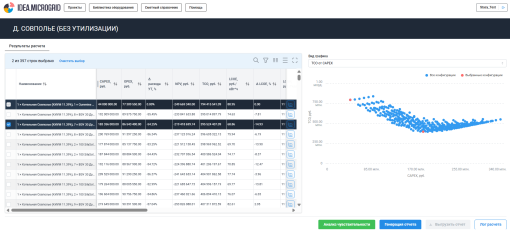
IDEA.Microgrid

IDEA.Microgrid is Russian-developed software for multiparameter techno-economic modelling of microgrids. It replaces HOMER Pro, which has withdrawn from the Russian market, and differs by explicitly accounting for energy flexibility management through electricity storage systems, electric boiler plants, heat pumps, hydrogen systems and controllable consumer loads. This is its defining feature: flexibility enables effective integration of renewable generation into isolated power systems, where diesel generation using transported fuel remains the only available option today.

Co-organizer
Organizer

7 nomination


«Best information project in the field of small distributed energy»

1
EnergyNet Centre, Autonomous Non-Profit Organisation
Russia, Moscow

INZHIR International Interuniversity School for Future Energy Engineers

INZHIR is a project-based educational programme that trains future engineers for intelligent distributed energy. Participants from across the country work on current industry challenges with experts, universities and companies, exploring renewable energy, energy storage, digital control and artificial intelligence technologies. In 2026, 625 students from 79 universities and 88 schools and vocational colleges in Russia and neighbouring countries passed the selection process. INZHIR is held under the auspices of the Russian Ministry of Energy, with support from NTI EnergyNet, the Russian Ministry of Science and Higher Education, Rosmolodezh, the NTI Foundation and the Agency for Strategic Initiatives.

2
MVK LLC
Russia, Moscow

Heat&Power 2026 Exhibition

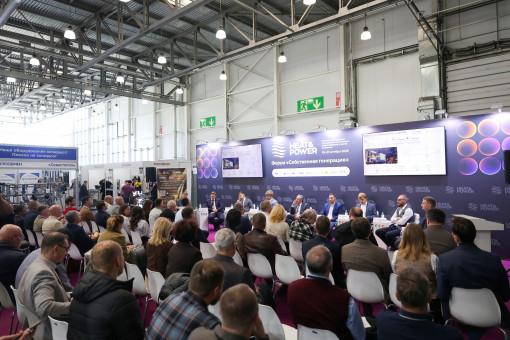
Heat&Power is an international exhibition of equipment and solutions for stand-alone power supply and small-scale energy, serving as an information and communication platform for the industry's development in Russia. In 2026, the project expanded its expert programme: the inaugural On-Site Generation Forum brought together eight events, 68 speakers and more than 300 attendees. A gas engine generator advisory centre and a dedicated data centre infrastructure exhibition were also launched. Educational activities include expert webinars, industry publications and cooperation with more than 30 media partners, promoting on-site generation technologies and strengthening the professional community.

3
Gefera Media
Russia, Moscow

Heat & Electro Exhibition

The international Heat & Electro exhibition is an industry business platform bringing together energy equipment manufacturers, business and research representatives, specialist organisations and customers in small-scale and distributed energy. Its fifth edition attracted around 100 companies from six countries and 6,657 professional visitors from seven countries and 72 Russian regions. In 2026, the project expanded its business programme with the Energy Formula conference, technical tours focused on heat supply and electricity generation, and new industry events. The exhibition promotes Russian technologies, develops business connections and strengthens international cooperation in the energy sector.

4
Novye Tekhnologii LLC
Russia, Moscow

LEMMING: Promoting Energy-Efficient Data Centre Cooling Technologies

The LEMMING information project promotes energy-efficient data centre cooling technologies and Russian-made climate control equipment. Its main focus is precision air conditioning, free cooling and solutions that reduce energy consumption in data centre infrastructure. The project combines educational work on the company's digital platforms with participation in industry conferences in Moscow and Novosibirsk, building professional awareness of modern approaches to energy-efficient cooling. Its particular value lies in promoting Russian technological solutions and improving the energy efficiency of digital infrastructure.

5
LED PR
Russia, Moscow

PR Campaign for Techexpo

Communications agency LED PR delivered a campaign to promote Techexpo and raise awareness of small-scale distributed energy solutions among business audiences. Research, expert commentary, opinion columns and industry case studies addressed energy shortages, power supply reliability and workforce provision in the sector. The campaign generated five key publications in Forbes, Kommersant, Izvestia and other leading media, more than 100 reprints and mentions, and a combined audience reach exceeding five million people.

6
Oblachnye Resheniya LLC
Russia, Moscow

Zayavka Zakryta Online Newspaper

Zayavka Zakryta (Ticket Closed) is an online newspaper about service businesses, created by the Okdesk team to develop the professional community and share industry experience. It publishes interviews, company stories, practical case studies and research about specialists who maintain industrial and energy equipment, building services and other technical assets. The project raises the profile of service businesses, shares effective practices and solutions, and provides a forum for professional exchange and discussion of current industry challenges.

7
Igor Nikolayevich Sheverun
Russia, Moscow

Solar News — The First Russian-Language Podcast About Solar Energy

Solar News is an independently produced Russian-language podcast about solar energy in Russia and worldwide, published since 2017. It combines news, original analysis, interviews with engineers, researchers and entrepreneurs, and practical material on solar technologies, energy storage and distributed generation. In 2025–2026, 97 episodes were published, attracting more than 45,000 listens. The complete archive contains 247 episodes, with over 150,000 cumulative listens across all platforms. The podcast shares reliable, accessible information about renewable energy, promotes the sector among the general public and school and university students, and helps listeners understand technologies and find practical ways to use solar power.

8
Elec.ru
Russia, Moscow

Elec.ru

Elec.ru is a specialist electrical engineering portal established in 2001, bringing together professionals from the energy sector and related industries. One of its core activities is the consistent coverage and promotion of small-scale and distributed energy, including cogeneration, renewables, energy storage and stand-alone power systems. The portal publishes expert analysis, market reviews, practical energy project case studies, interviews and industry event reports, connecting business, research and manufacturing. In 2025, Elec.ru was an official media partner of the international Small-Scale Energy — Major Achievements Award and regularly covered the activities of the Small-Scale Energy Association, helping share industry knowledge, exchange experience and promote Russian technological solutions.

9
GARINISCH Hydrogen Technologies
Russia, Moscow

GARINISCH Hydrogen Technologies

GARINISCH is a media project by Igor Artemenko dedicated to promoting hydrogen technologies and covering Russian developments in the field. The author shares results from his own experiments with hydrogen generators, introduces solutions from Russian companies and research institutes, and explains complex technical principles in accessible language. The channel has more than 200,000 subscribers and over one million monthly views. The project spreads knowledge of hydrogen energy, encourages practical experience sharing and raises public interest in small-scale distributed and renewable energy technologies.

10
Energy and Industry of Russia Newspaper
Russia, St. Petersburg

Energy 4.0: Challenges and Opportunities of the New Digital Reality — Round Table

The round table brought together representatives of energy, IT, research and business to discuss growing data centre electricity demand, digitalisation and distributed generation. It formulated and communicated a shared industry position: IT infrastructure development must be coordinated with the energy sector, while distributed sources, renewables and storage can help overcome constraints and improve supply reliability. The outcomes were widely shared across the industry through publications on eprussia.ru and videos of the presentations. The materials are cited by specialist associations, demonstrating the project's strong reputational impact.

11
Energy and Industry of Russia Newspaper
Russia, St. Petersburg

The Golden Mean: Balancing the Interests of Energy Market Participants — Special Issue

The Golden Mean special issue brings together expert interviews, analysis and practical case studies on renewable energy, small-scale distributed energy and microgeneration. It helps market participants, from generators and consumers to regulators, discuss tariffs, technologies and industry rules, balance their interests and share practical experience. The issue contains more than 20 articles, is available in print and online, and is distributed at major industry events.

General partners
Official partners

Subscribe the news