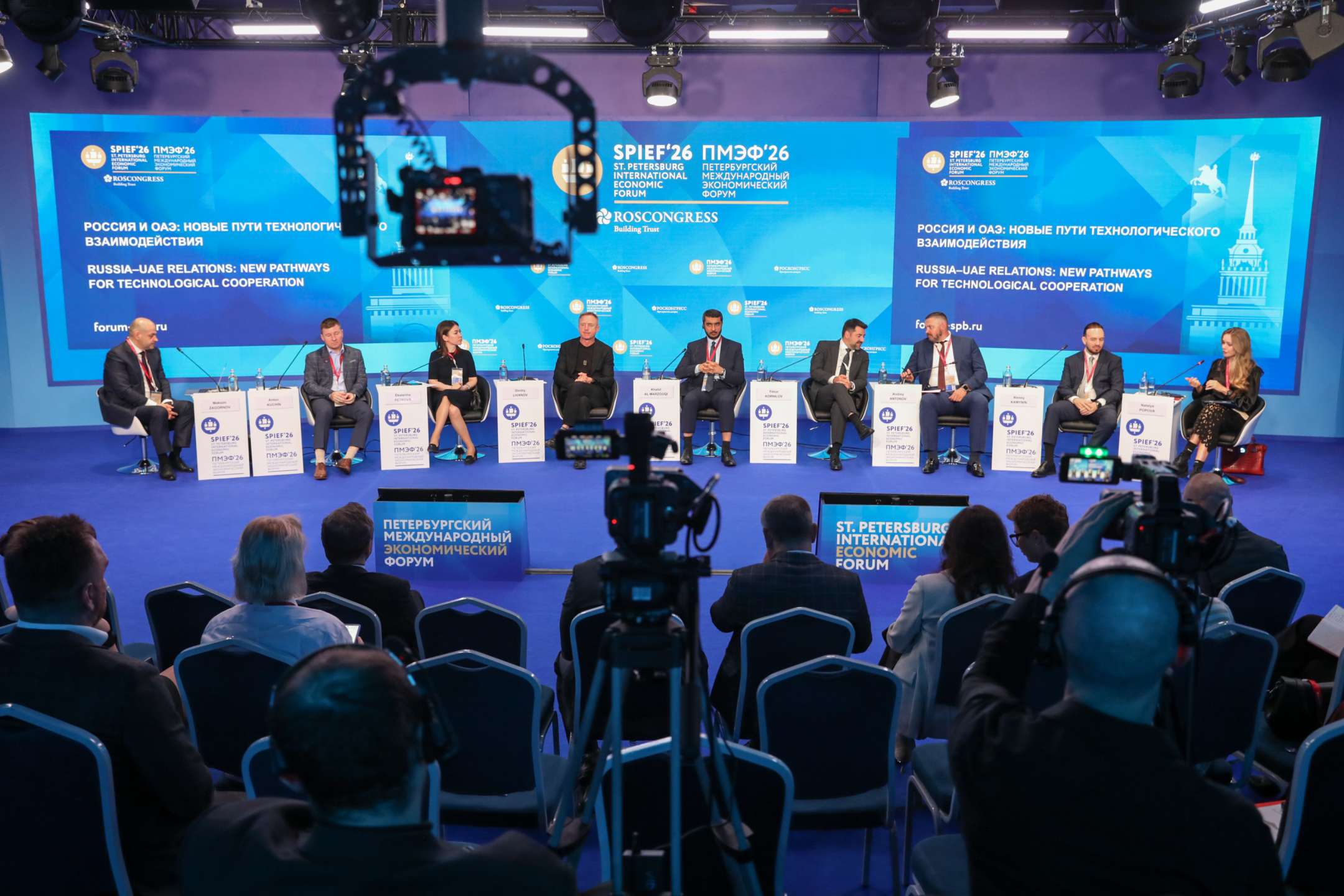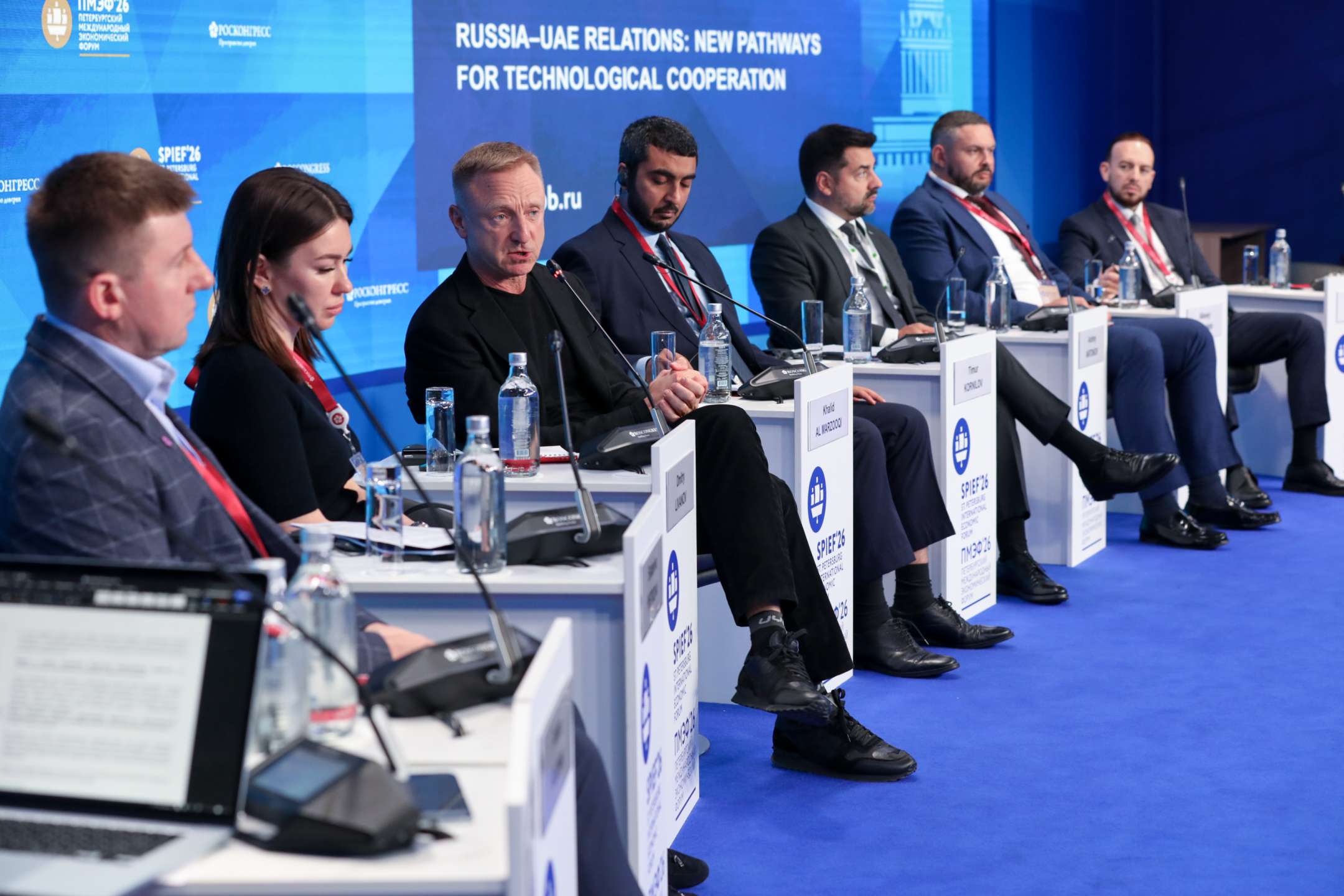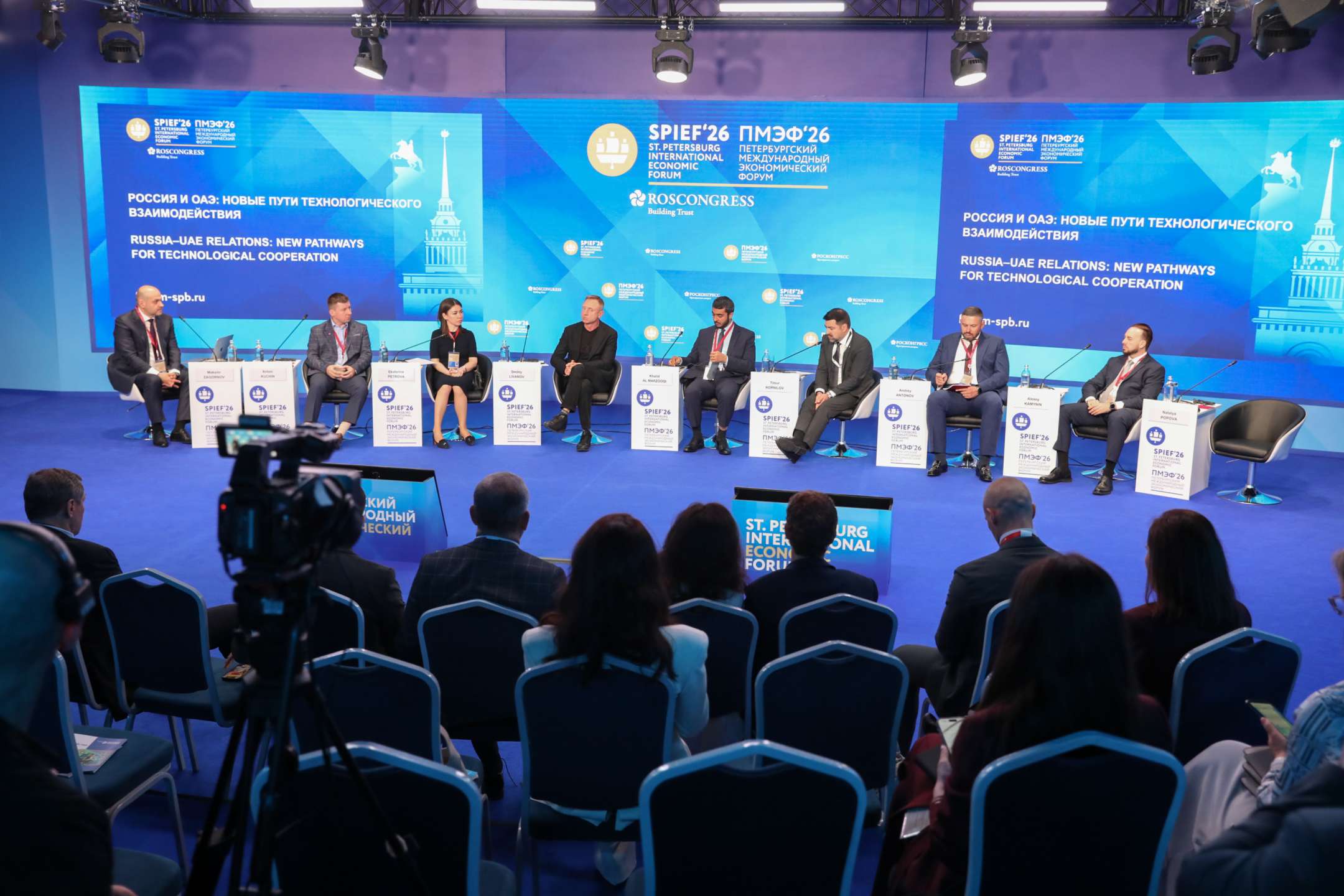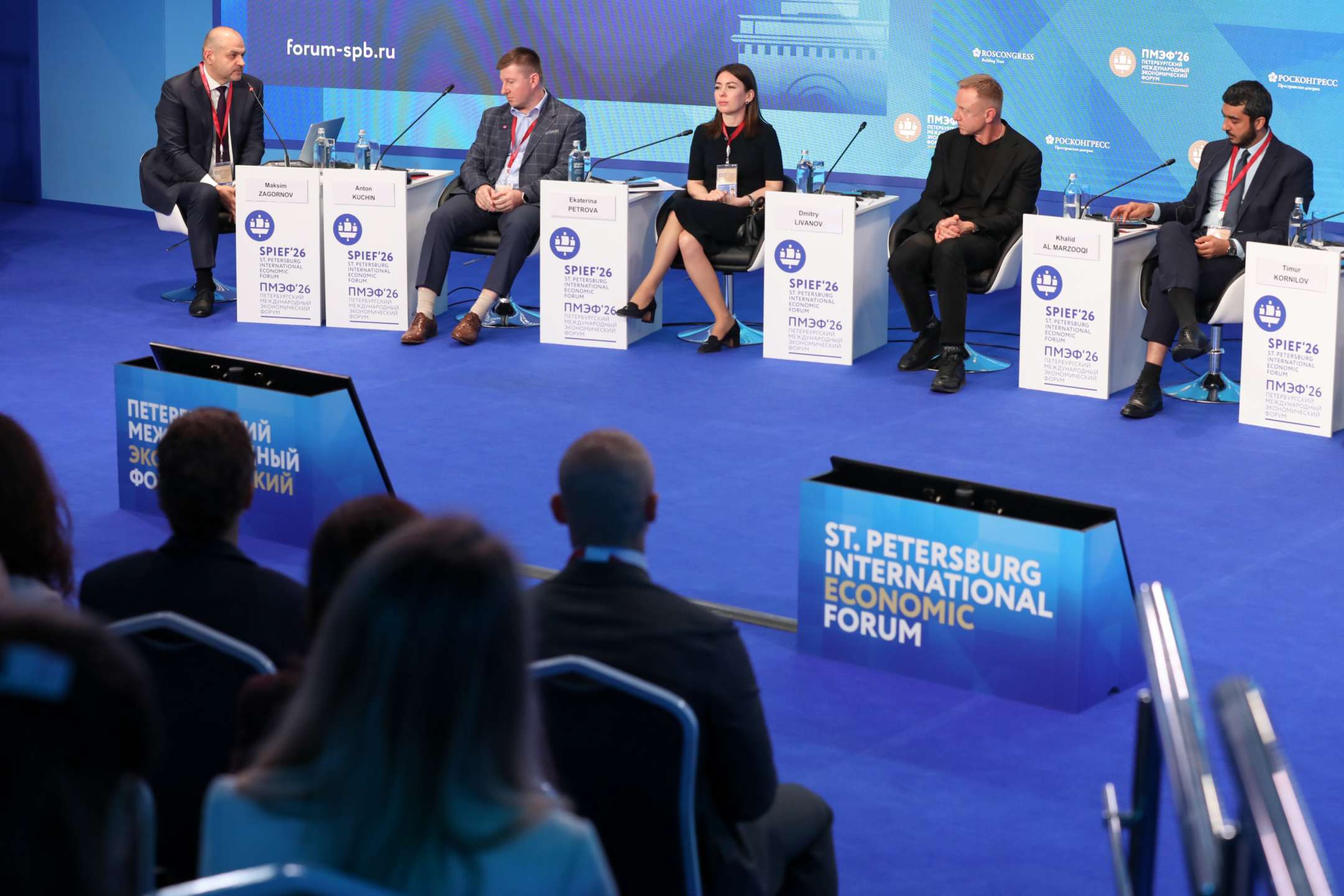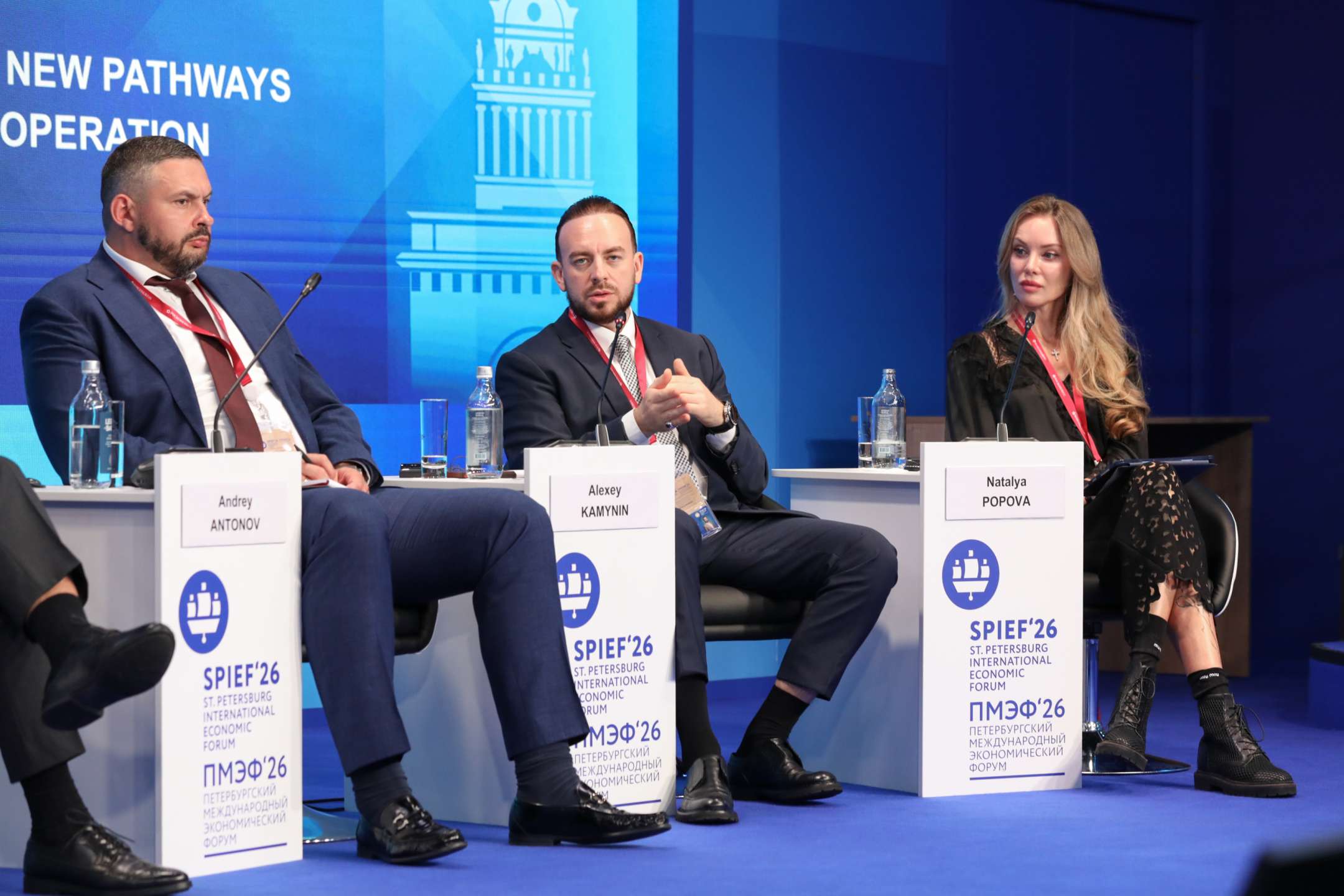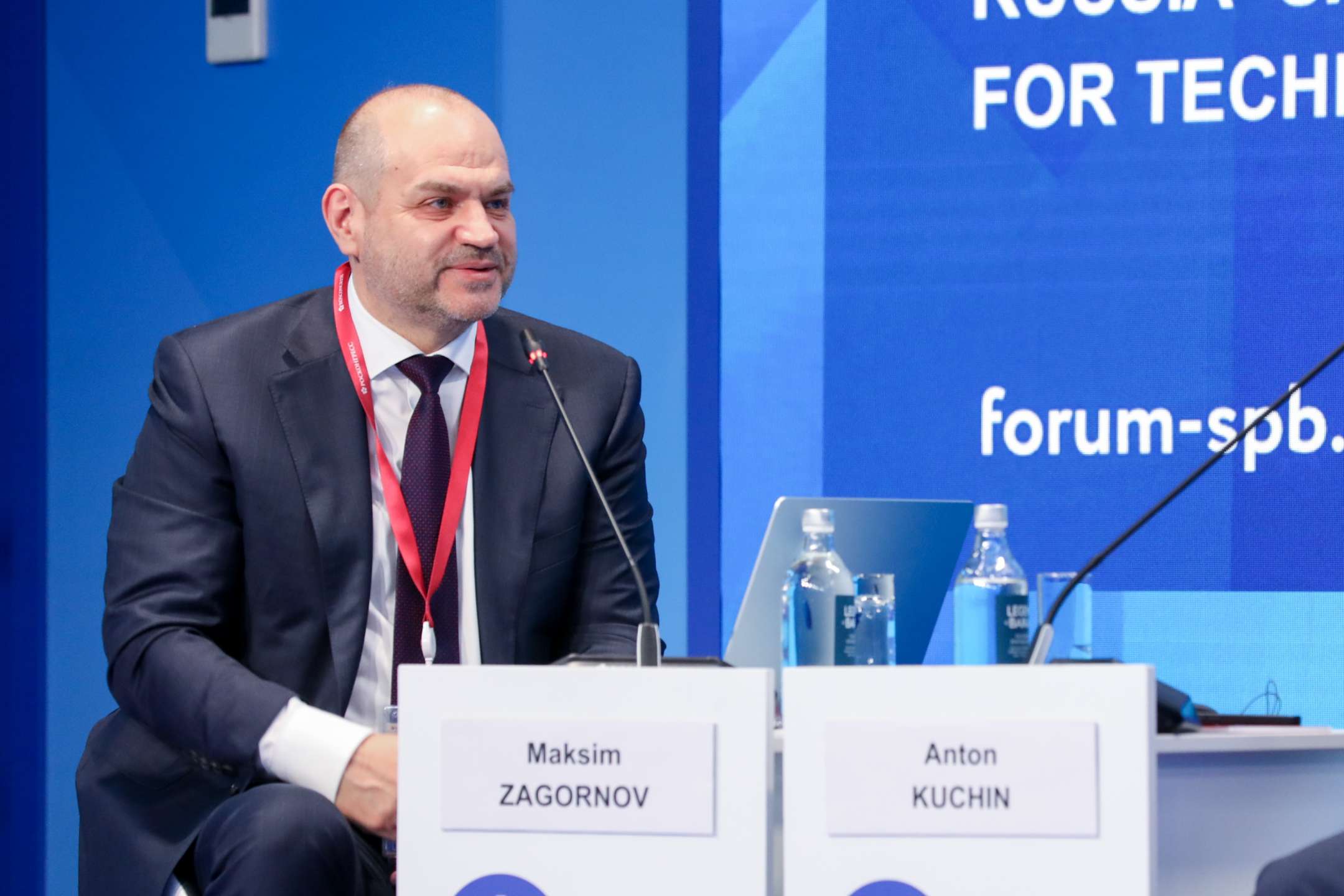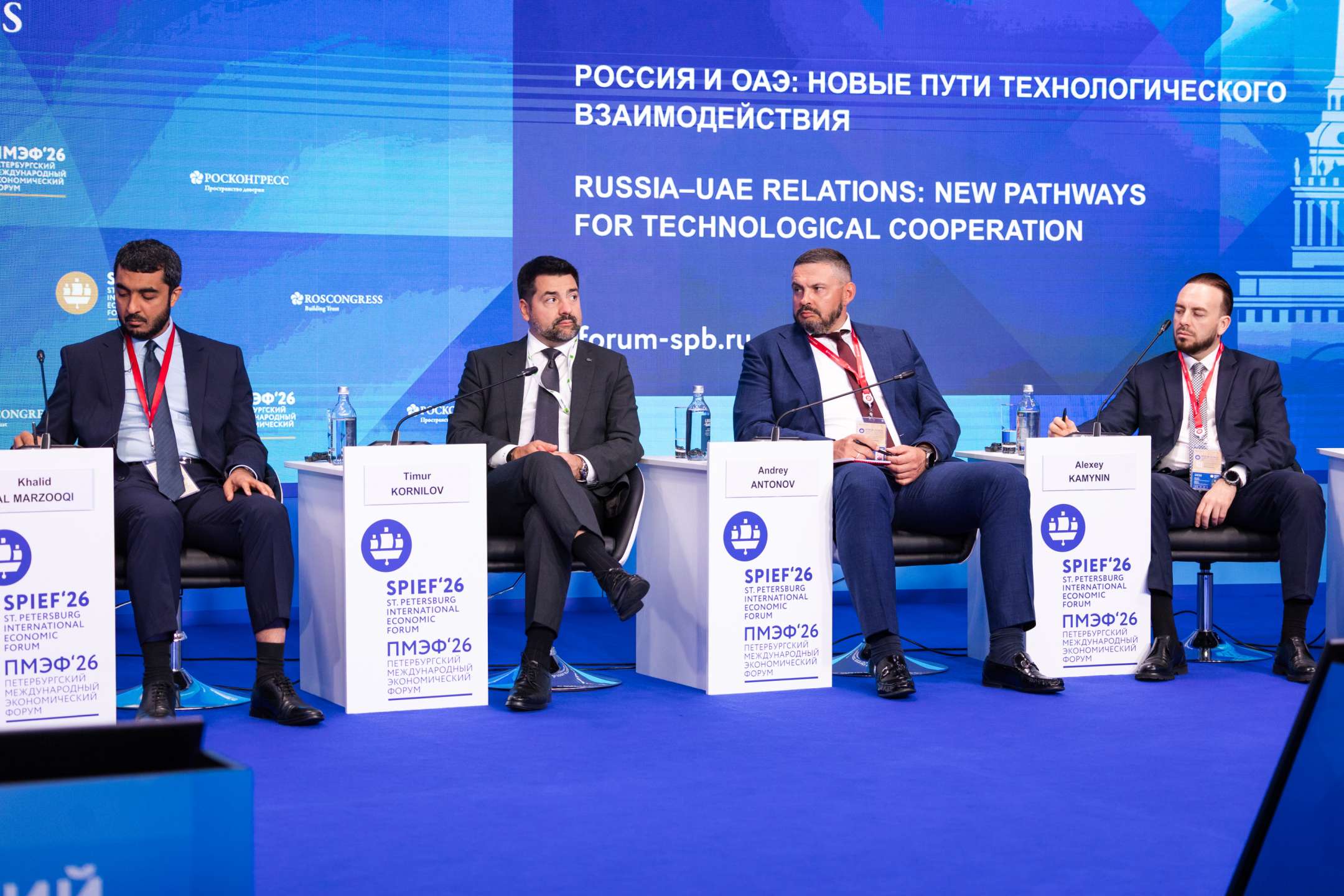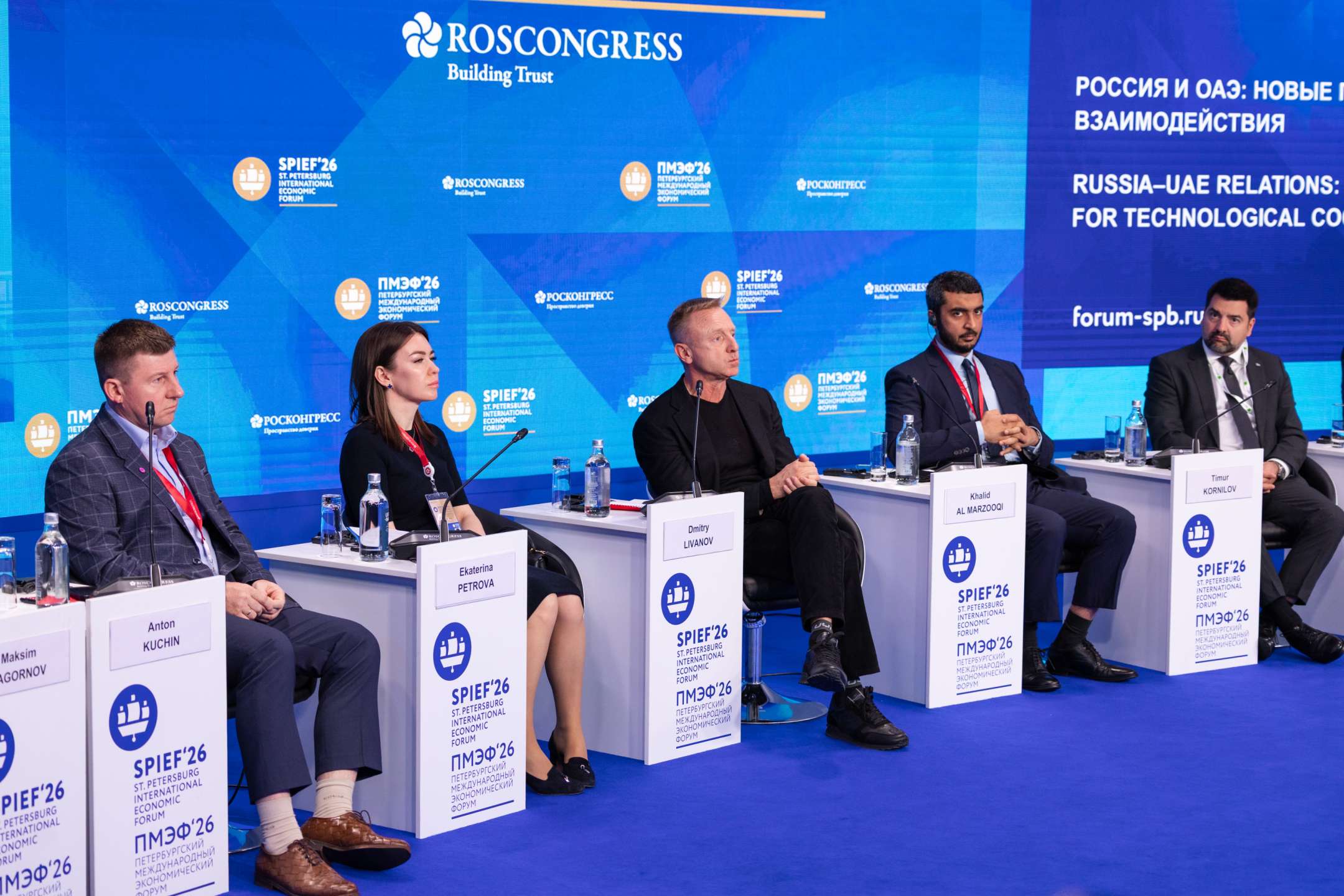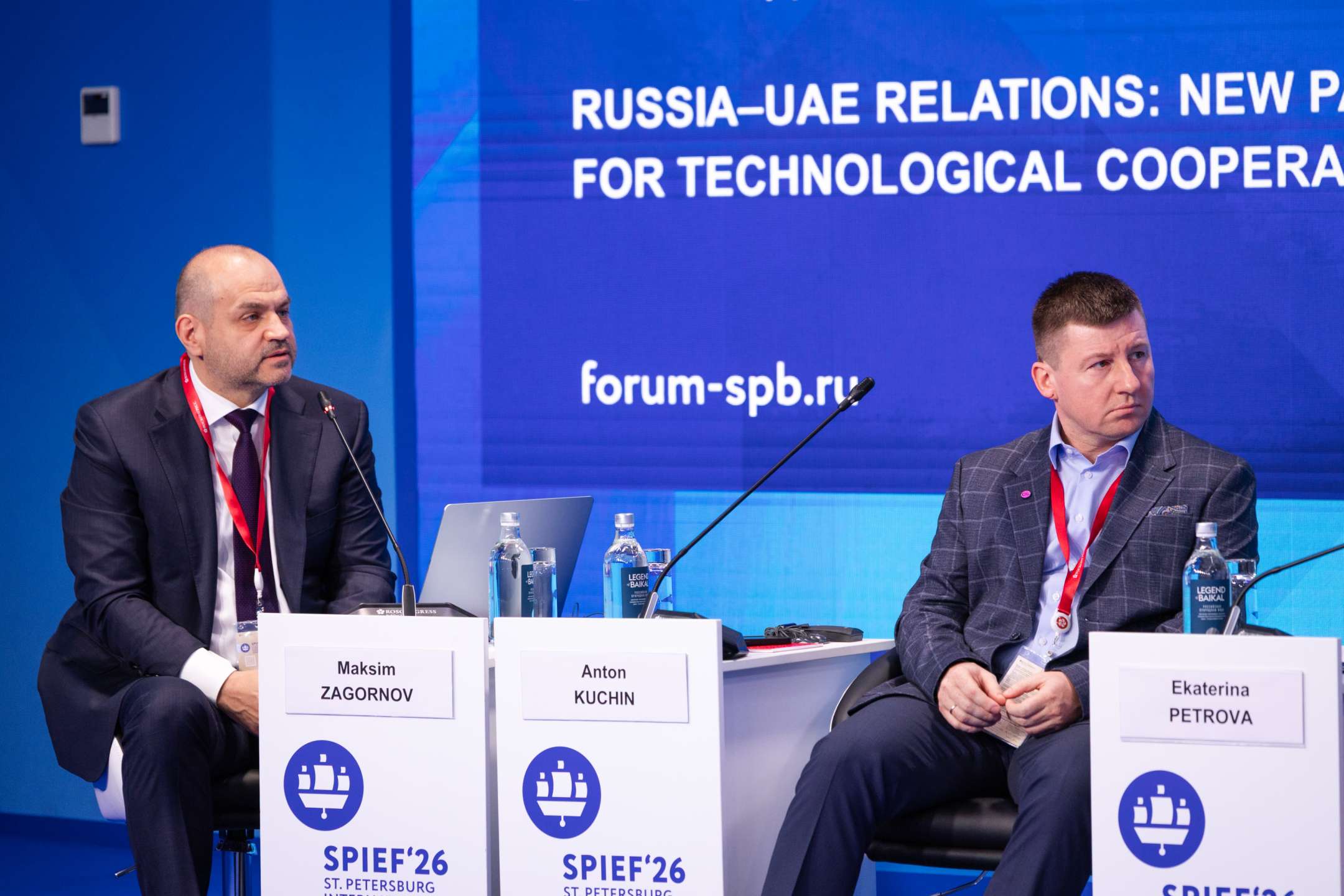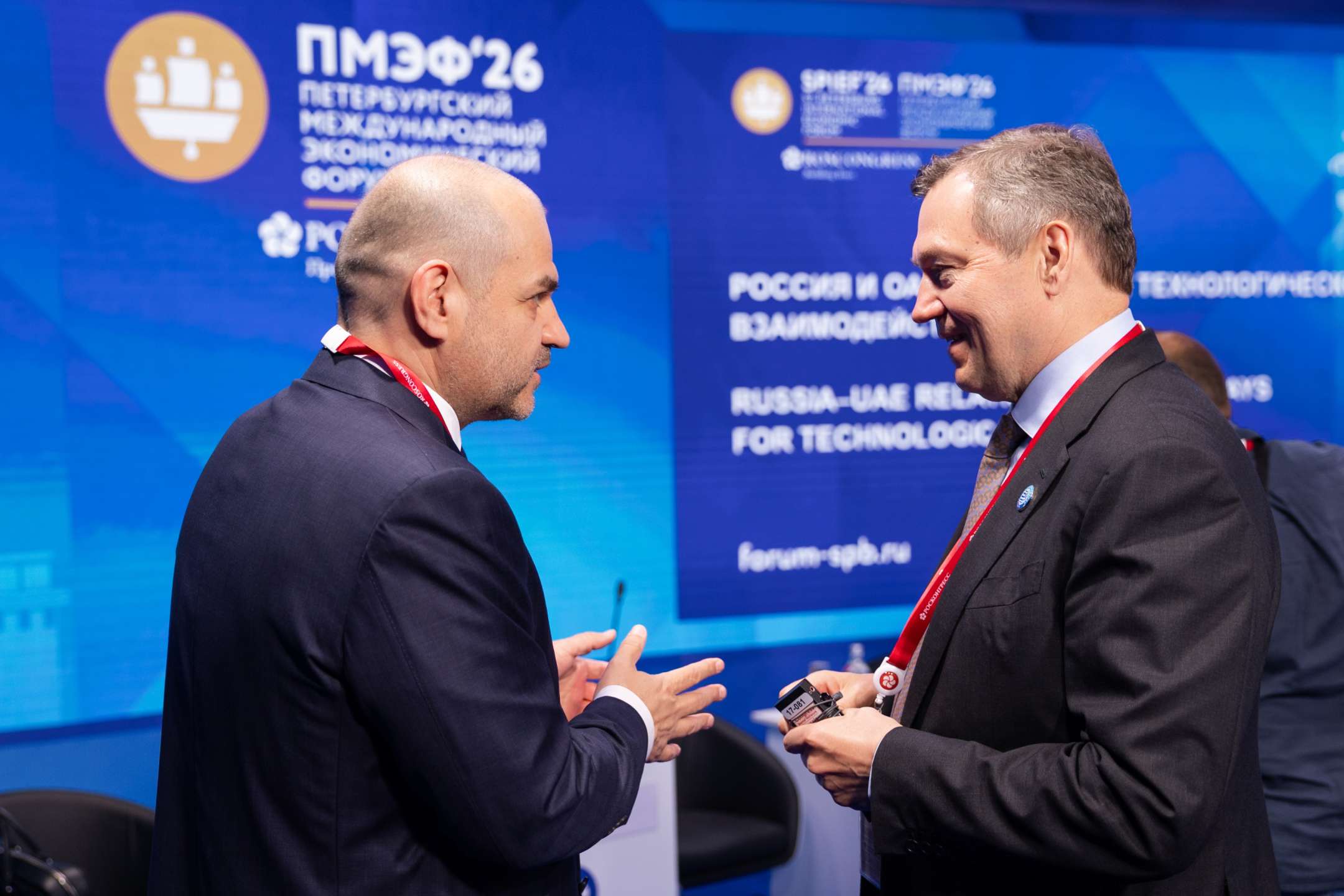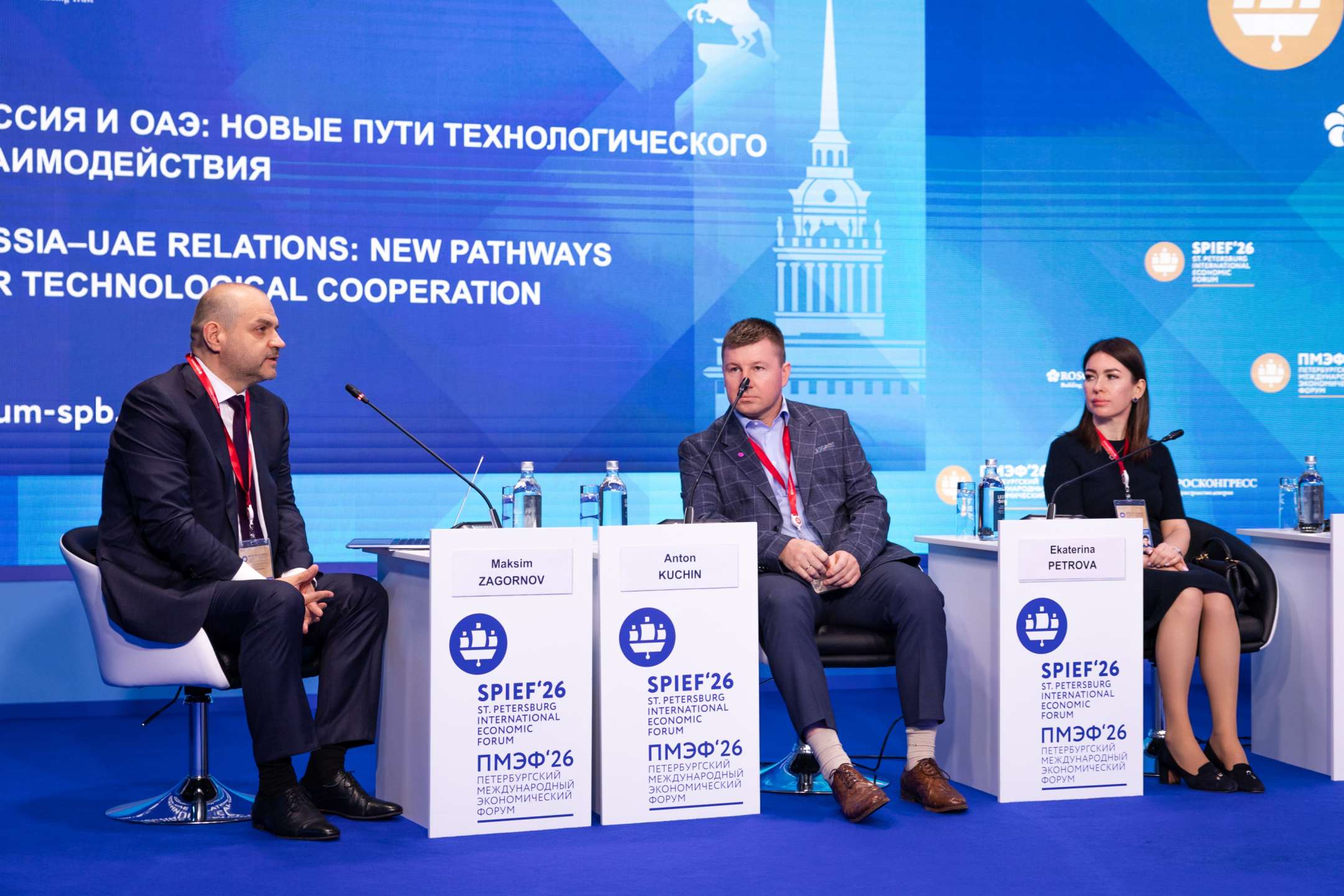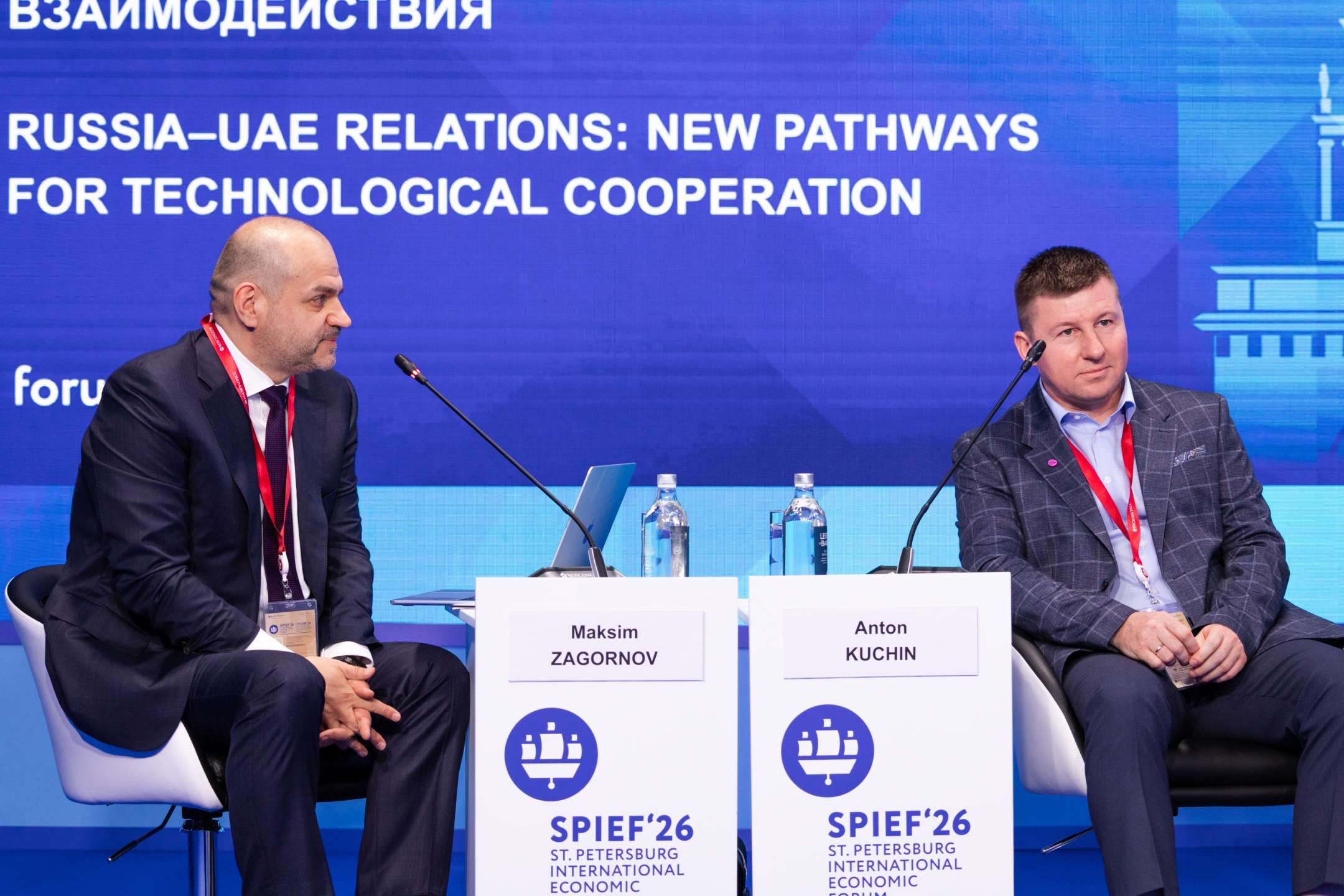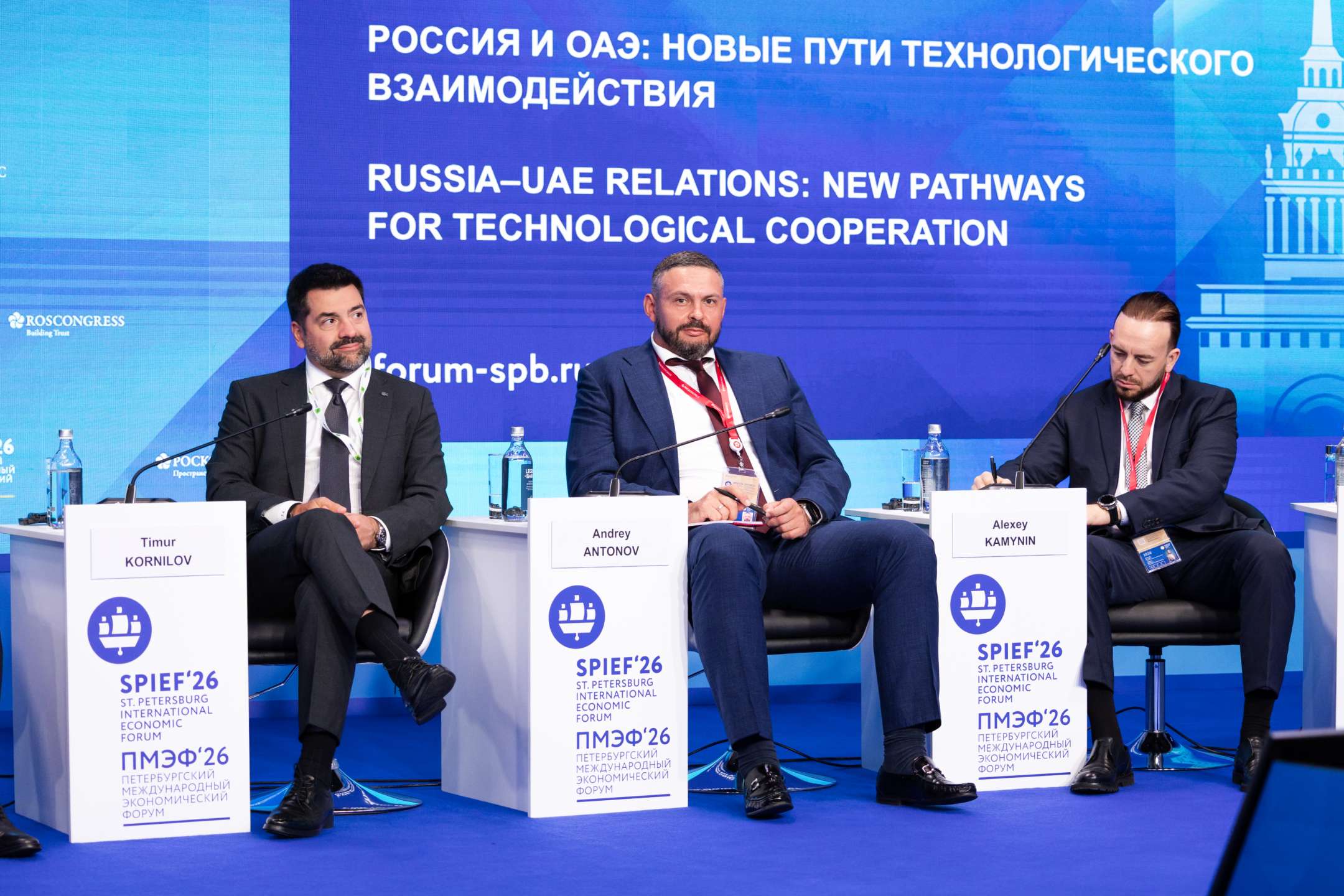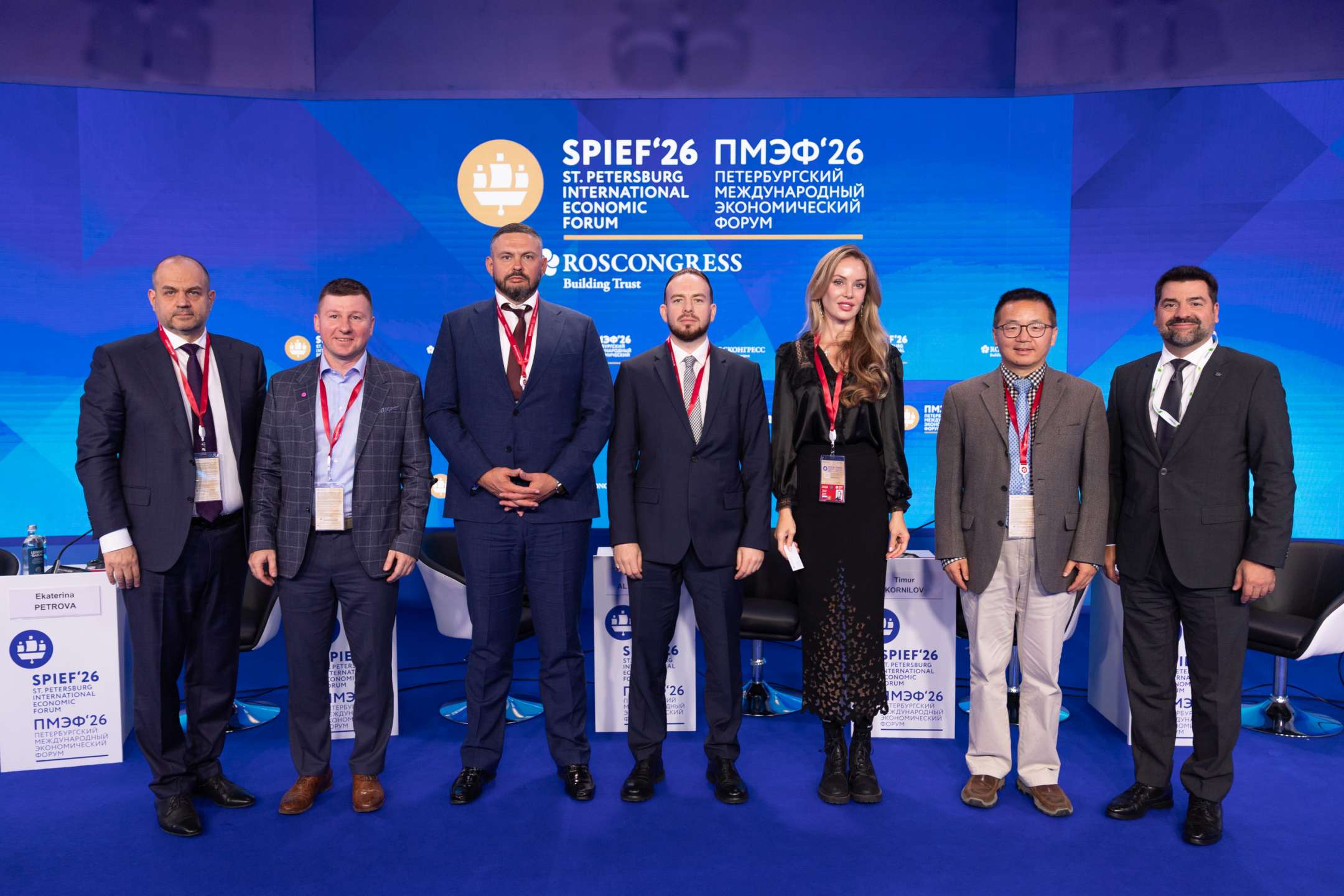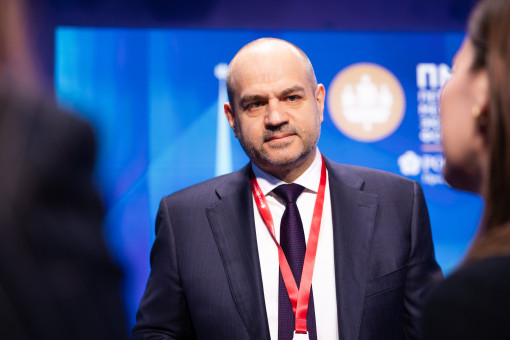
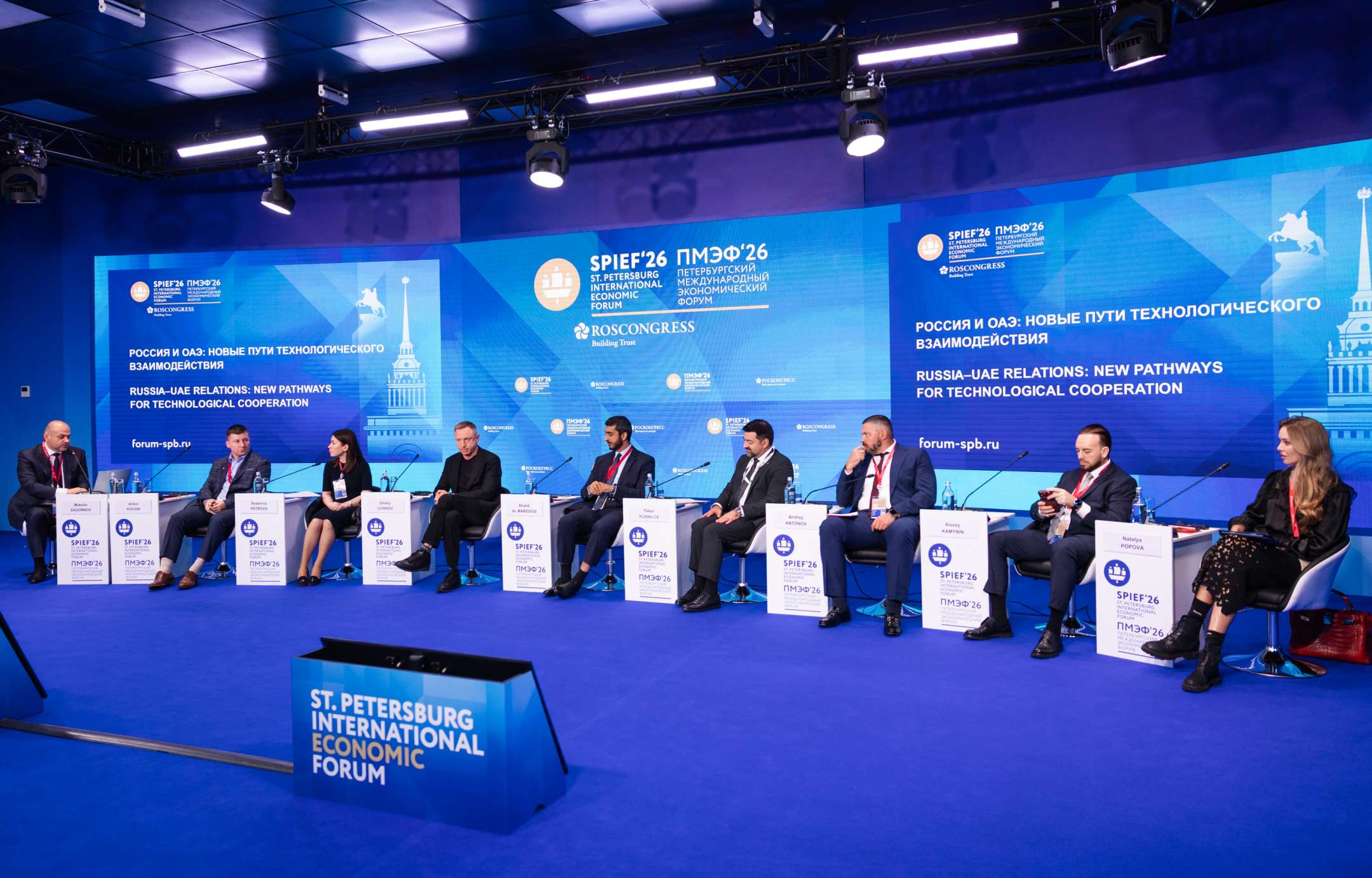
On June 3, on the sidelines of the Russian Small and Medium-Sized Entrepreneurship Forum, which opened the first day of SPIEF, a panel session organised by Business Russia and the Distributed Power Generation Association titled "Russia and the UAE: New Pathways for Technological Cooperation" took place. Session participants discussed the development of full-fledged bilateral partnership to ensure the technological sovereignty of both countries.
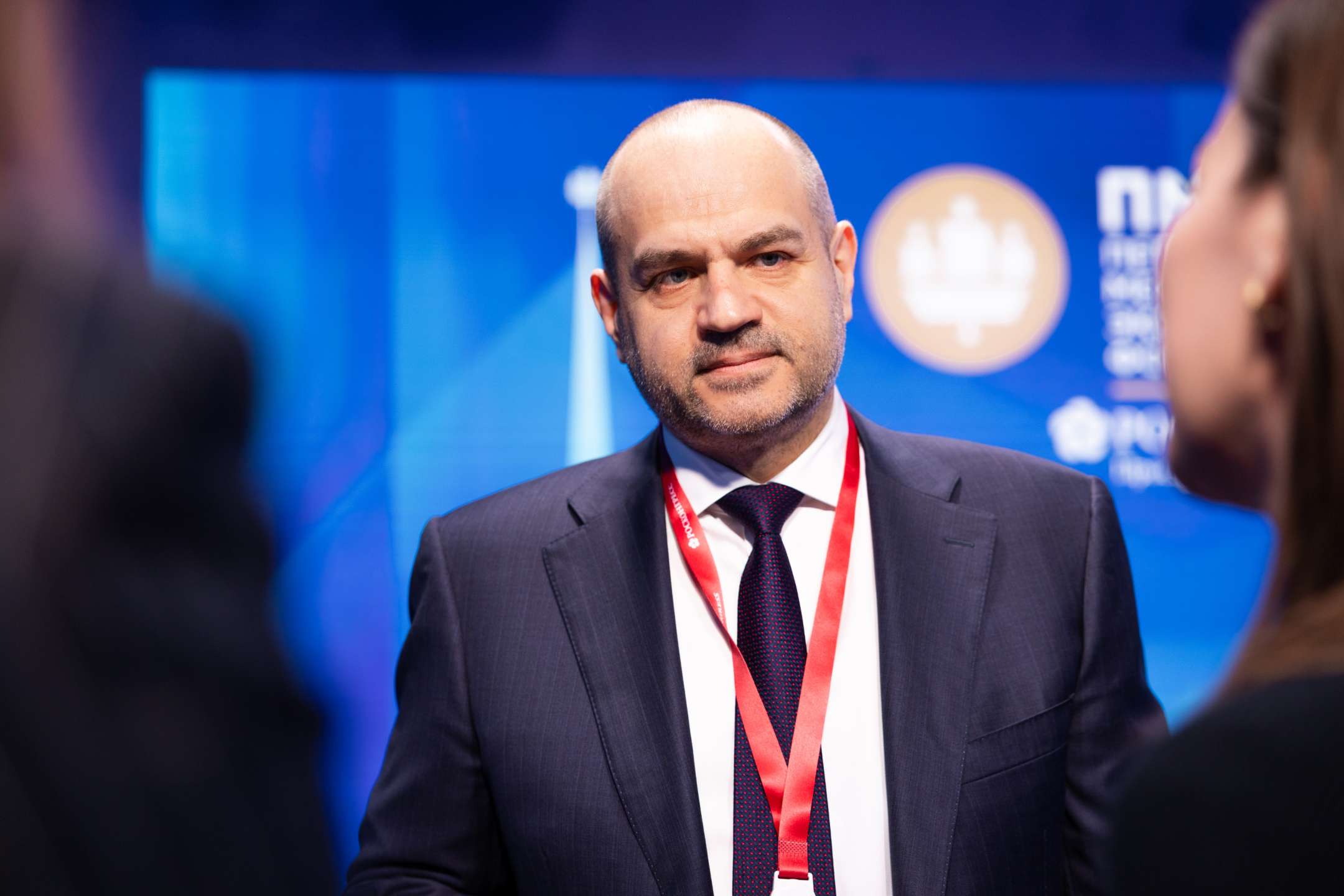
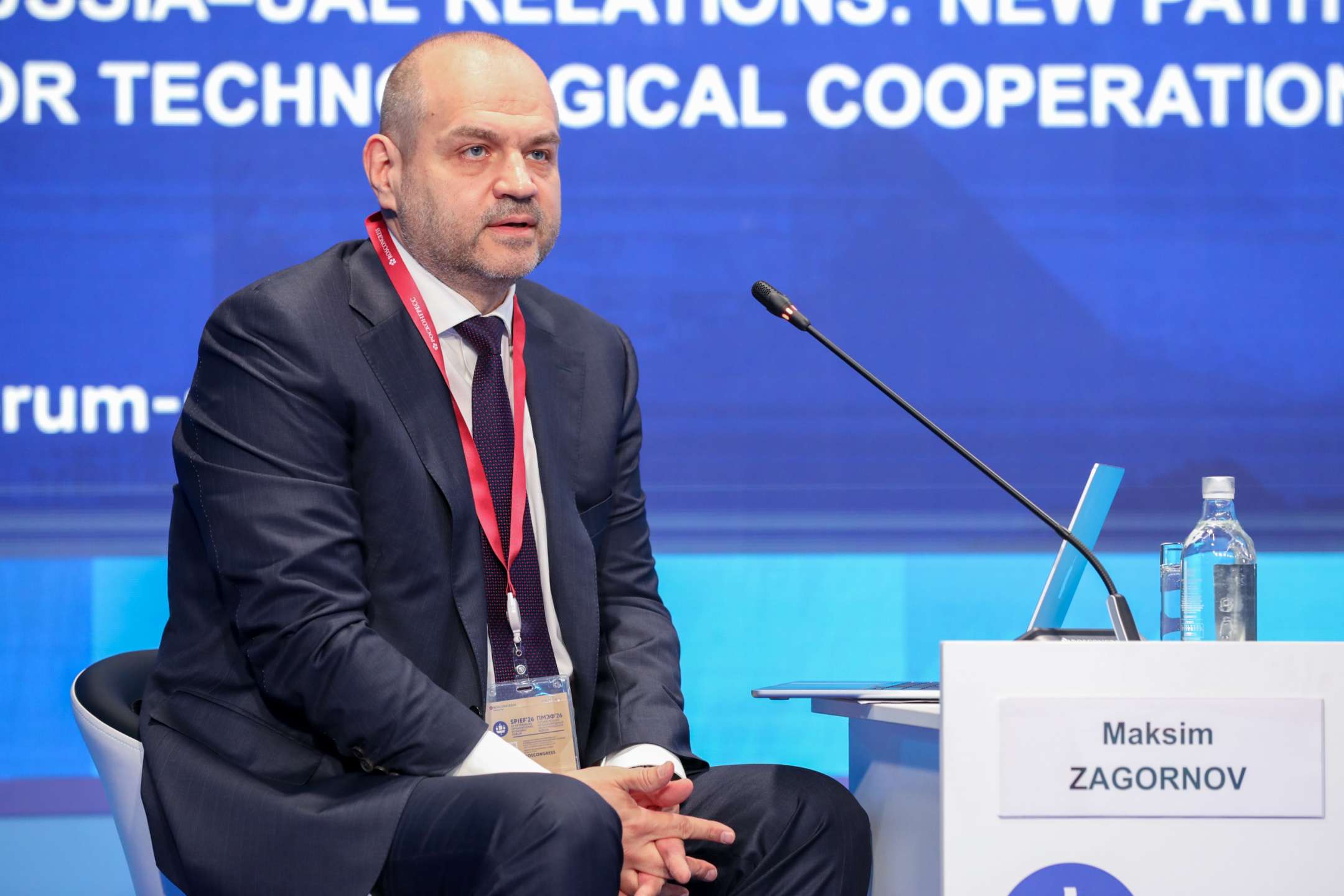
The discussion brought together representatives of science, development institutions, and business from both countries. The session was moderated by Maxim Zagornov, Business Ambassador of Business Russia to the UAE, President of the Distributed Power Generation Association, and Director of the Research Center for Autonomous Energy at MIPT.
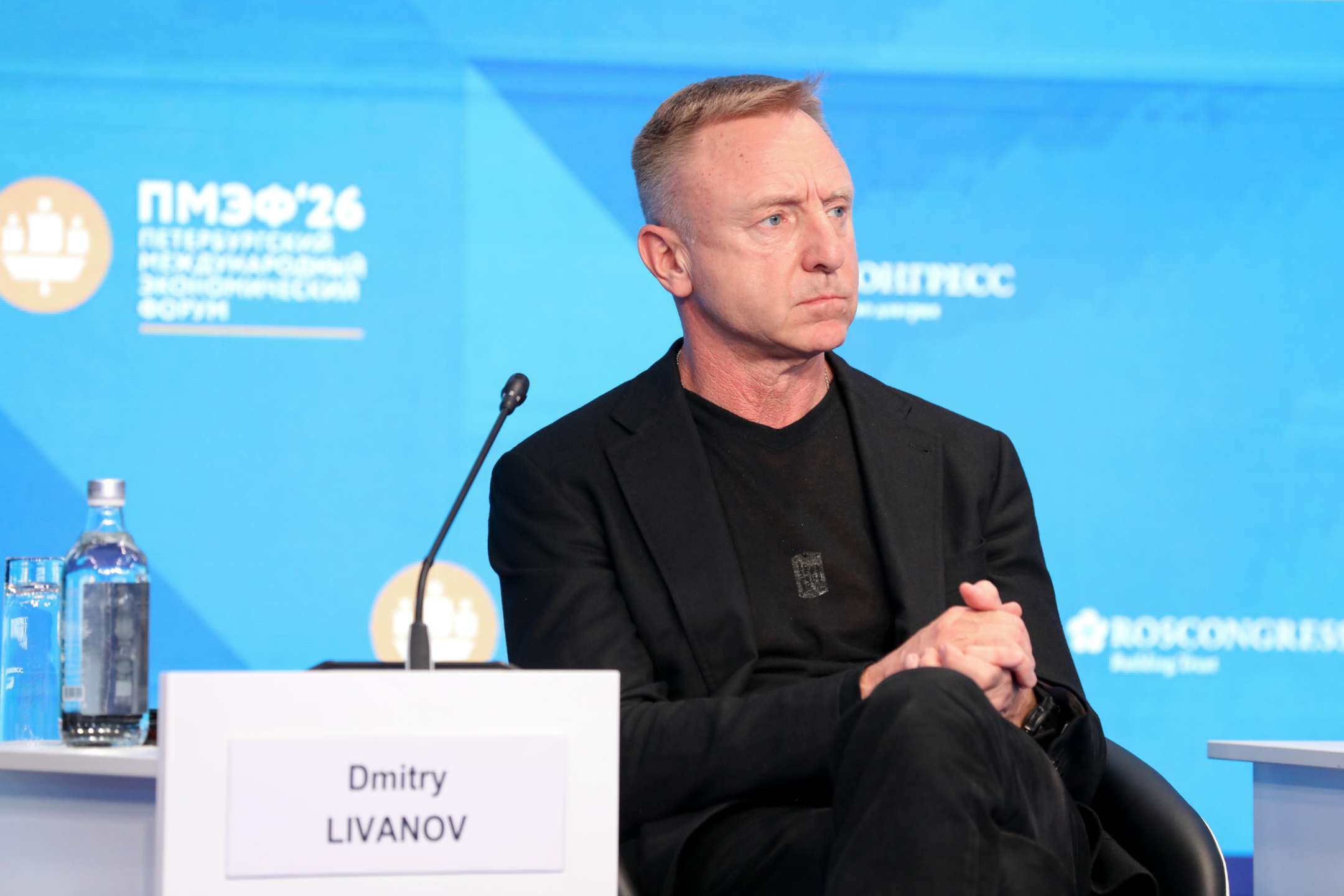
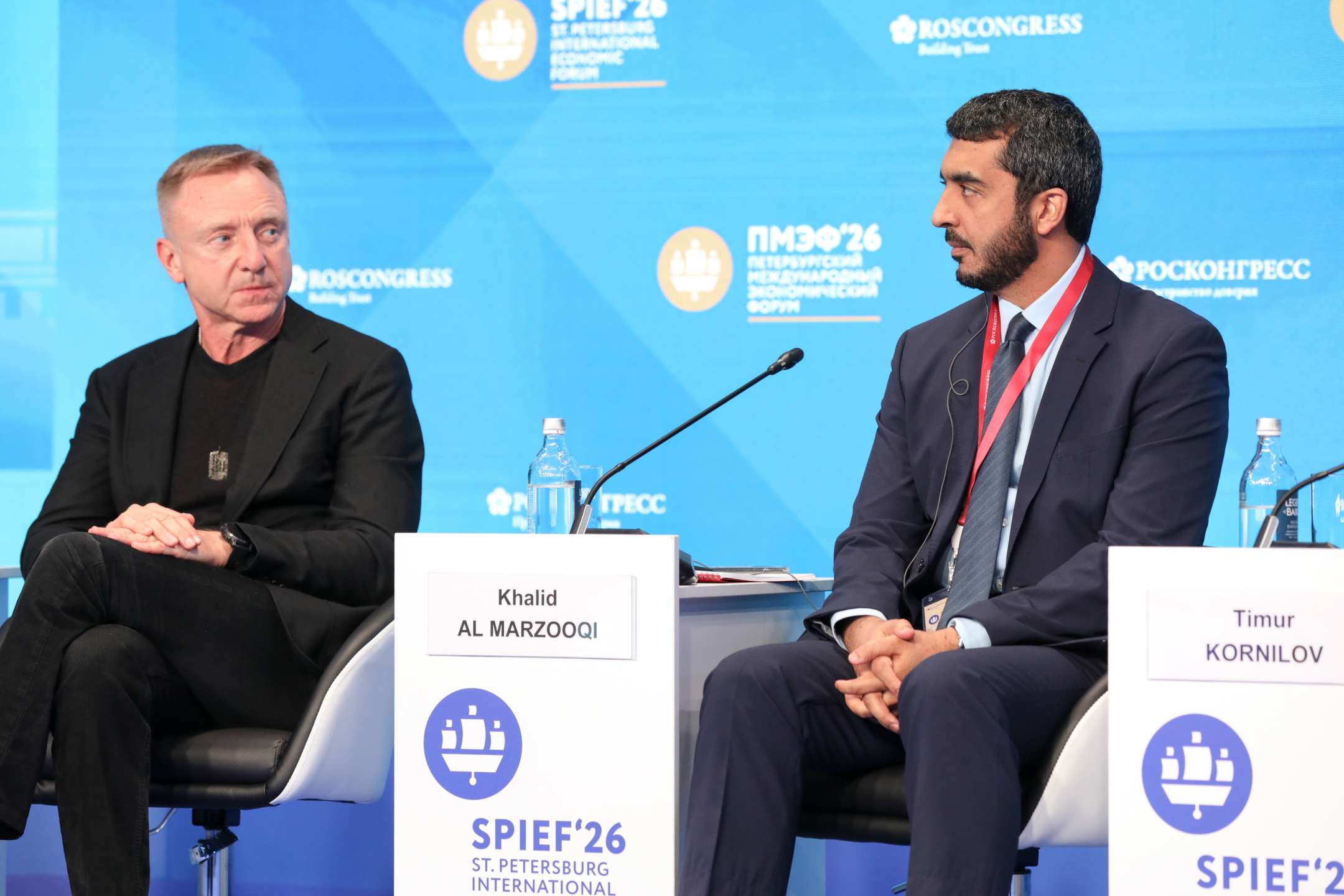
Rector of the Moscow Institute of Physics and Technology (MIPT) Dmitry Livanov spoke about the need to ensure technological independence and jointly seek solutions. He noted the importance of shortening the distance between a scientific discovery in MIPT laboratories and its implementation in industry.
"We live in an era of strategic instability, where issues of technological independence take on particular significance. Without developing our own competencies, no country can ensure stability and sovereignty, but this is impossible in isolation. Our task, by joining forces, is to solve technological development challenges based on sovereign technology packages," - noted Dmitry Livanov.
Vice President for International Business Development of the KEZAD Group, Khalid Al Marzouki, spoke about the opportunities offered by the UAE’s infrastructure for Russian solutions and their scaling to regional markets.
"Today, the main challenge for technology companies is not to create a prototype but to scale it – this is no longer an option but a necessity. More than 300 companies operate in our jurisdiction, most of which are engaged in industrial production. We view them not as tenants but as long-term partners. We, in turn, support our ecosystem and create conditions for easy and organic access not only to the UAE market but to the entire region," - the expert noted.
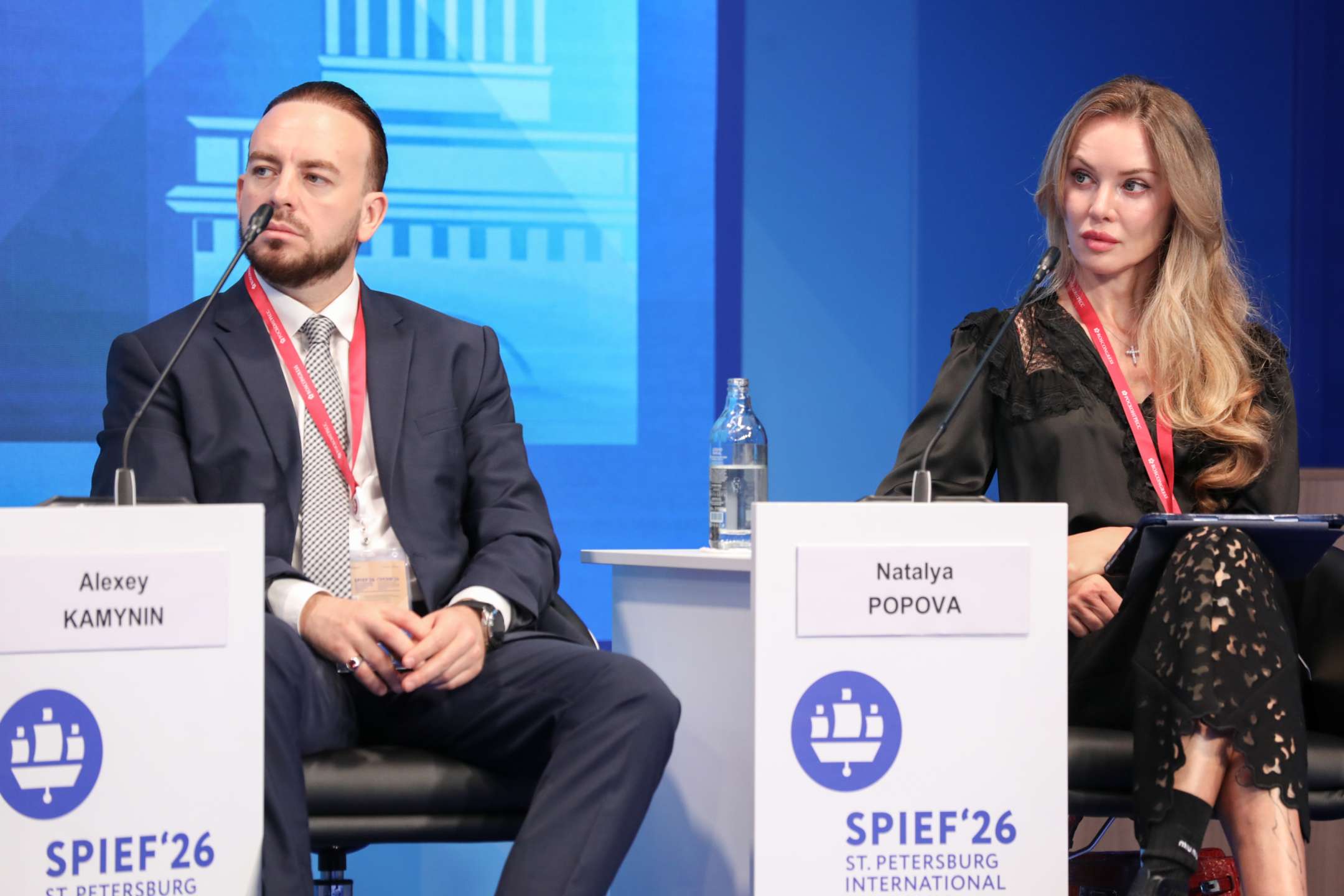
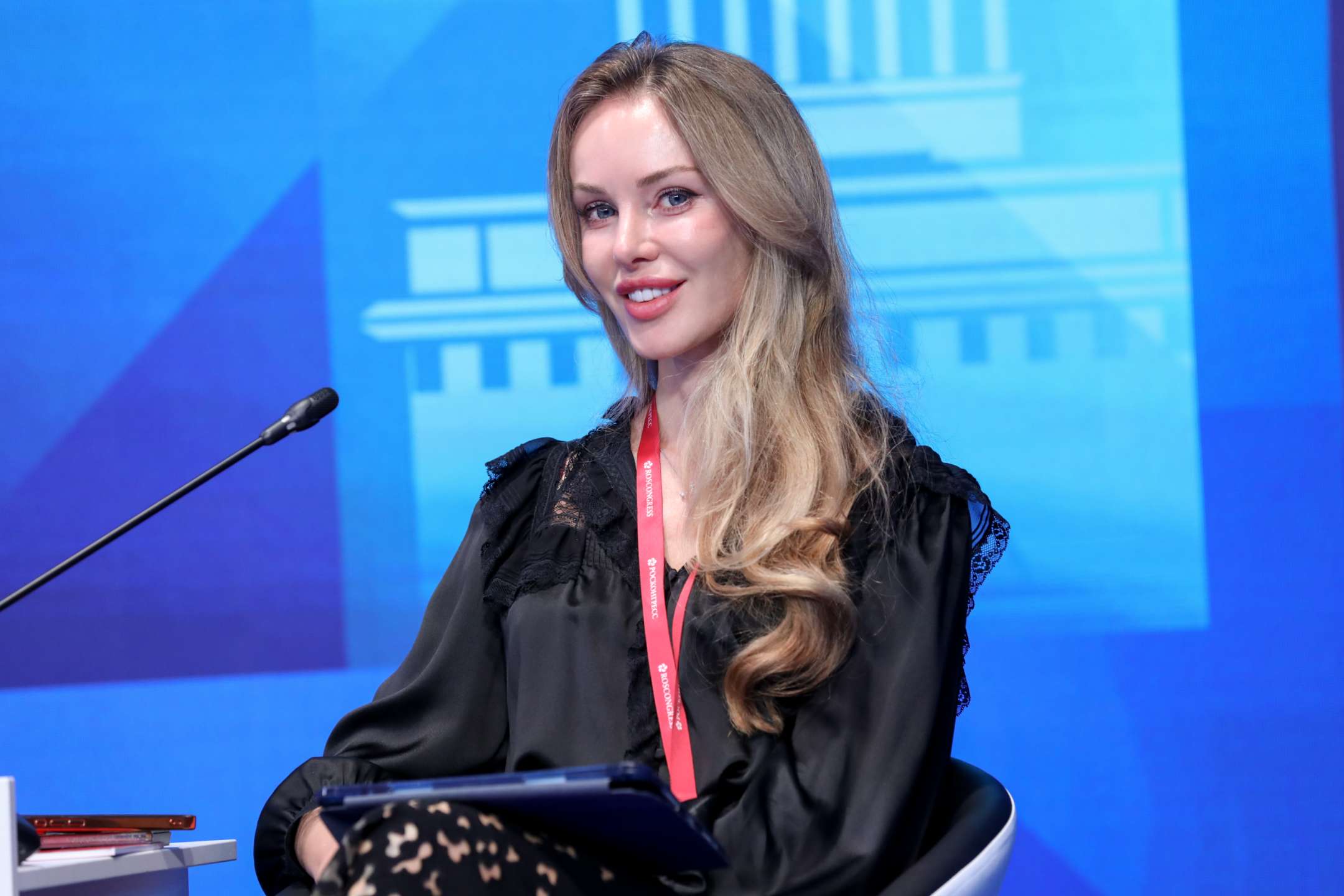
Natalia Popova, First Deputy General Director of the non-state development institute Innopraktika and Public Ombudsman for the protection of the rights of leading high-tech companies, emphasized in her speech the importance of an ecosystem approach and support for the Russian high-tech sector.
"At the forefront of efforts to achieve technological leadership in Russia are digital ecosystems, major state corporations, and 'National Champions' operating across a wide range of knowledge-intensive industries—from marine technologies to unmanned aerial systems. Currently, the 'National Champions' project unites 160 companies with a combined revenue of approximately 1 trillion rubles. Many of them, such as Geoscan Group and Reinoltz, demonstrate the high technological potential of Russian developments in unmanned aviation and green energy. Cooperation with the UAE fosters technological partnerships, builds trust in domestic technologies, and helps create a positive image of Russian high-tech solutions in the Middle East. To this end, Innopraktika is opening tech hubs in friendly countries, with plans to launch one in the UAE as well. We are committed to developing comprehensive partnerships—not only technological but also in human capital and academia—and fostering a dialogue of shared values. Only the comprehensive development of solutions can ensure the technological sovereignty of each country," Natalia Popova stated.
Samuel Mao, Director of the ASPIRE Institute for Sustainable Energy Research, Co-Chair of the UAE University Climate Network, Senior Director of the Institute, and Professor at Khalifa University (UAE), highlighted the development of scientific cooperation and the expansion of partnerships between research centers.
“Today we see enormous potential for cooperation between Russia and the United Arab Emirates, especially in areas such as distributed and renewable energy, water supply, and desalination. However, it is important not only to expand academic partnerships between our countries but also to effectively translate them into economic benefits. We can work with both pilot products from Russian companies and mature technologies, adopting them, adapting them, and bringing them to the Middle Eastern market. “Today, we are successfully collaborating in the early stages—in concept development and the exchange of scientific ideas. However, it is important to move forward by creating prototypes and implementing the technology or product into production,” the professor emphasized.
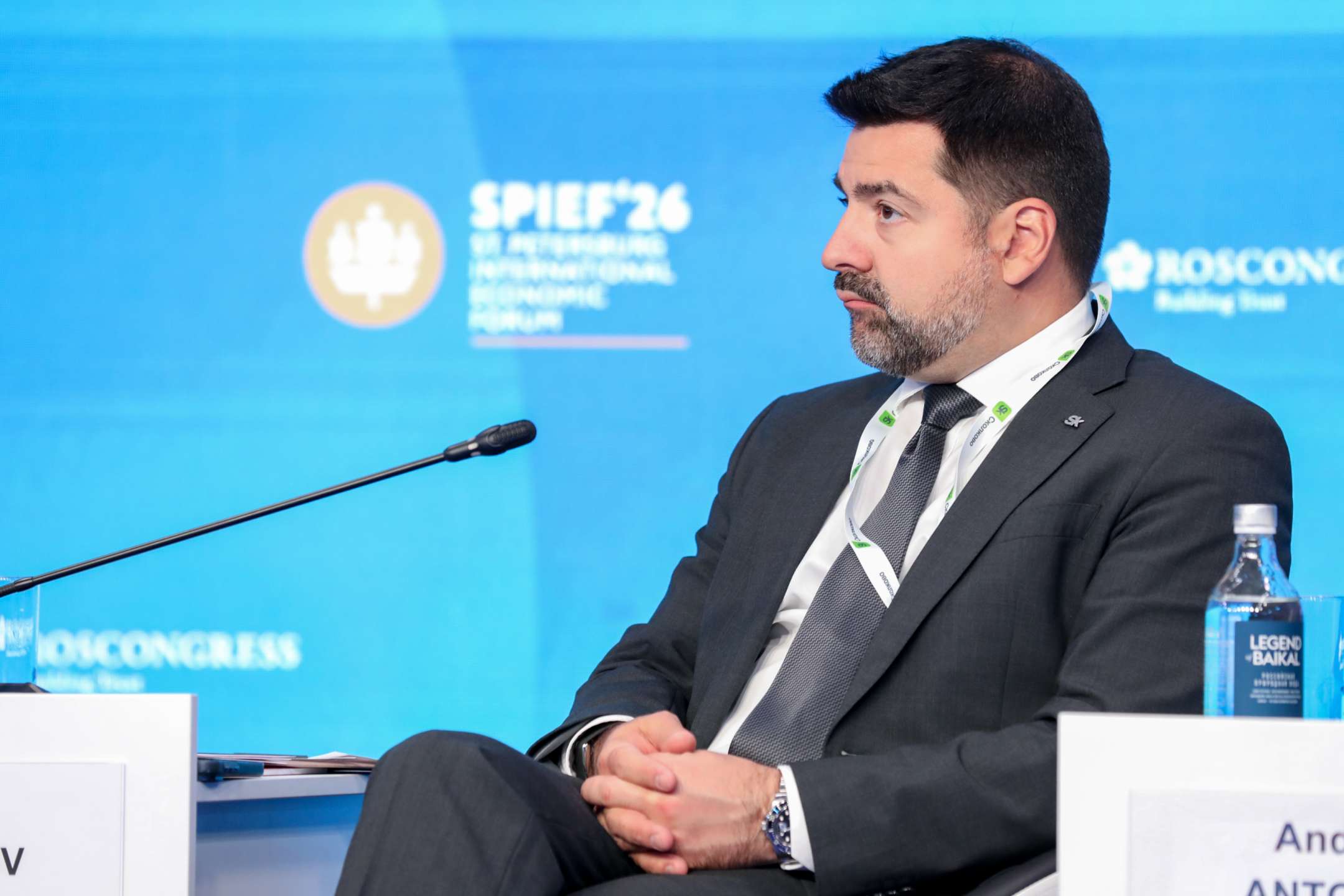
Managing Director for Strategic International Partnership, Knowledge and Technology Transfer of the Skolkovo Foundation, Timur Kornilov, spoke about the foundation’s international programmes for developing the export potential of innovative businesses. The expert noted that these programmes annually help more than 100 technology companies enter international markets.
"Undoubtedly, there is demand for Russian technologies. And we view the UAE as a strategic international platform for implementing and scaling Russian solutions not only for the local market but also for the Middle East and North Africa region as a whole. I am confident that in the current environment, technology transfer involves not just individual export deals. It must be an international infrastructure that allows technology companies to go from first contact to pilot, localisation, and subsequent scaling," - shared Timur Kornilov.
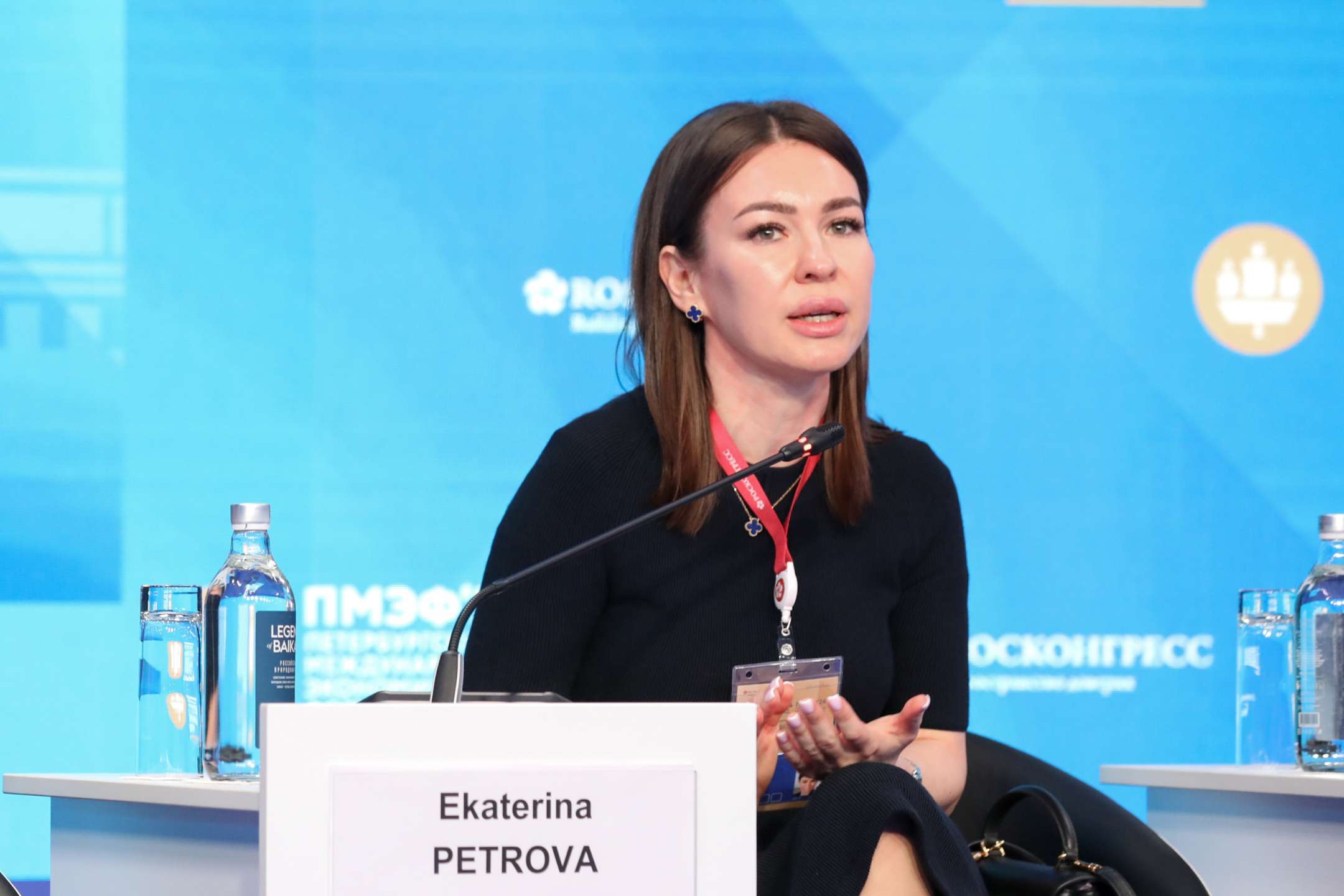
Director of Innovation and Technological Development at the Russian Venture Company, Director of the GenerationS Corporate Accelerator, Ekaterina Petrova, presented tools for supporting startups and mechanisms for international cooperation to find partners and enter new markets. These include educational programmes for Russian corporations and venture funds focused on immersing participants in the innovation ecosystems of foreign countries, as well as technology scouting in the Middle East market – a systematic search and selection of promising technological solutions, startups, and R&D teams for subsequent implementation in Russian corporations.
"Our team is focused on achieving concrete, measurable results. Just going to have a look is good – it’s about learning something new. But what matters to us are deals, pilots, new partners, and projects," - emphasised Ekaterina Petrova.
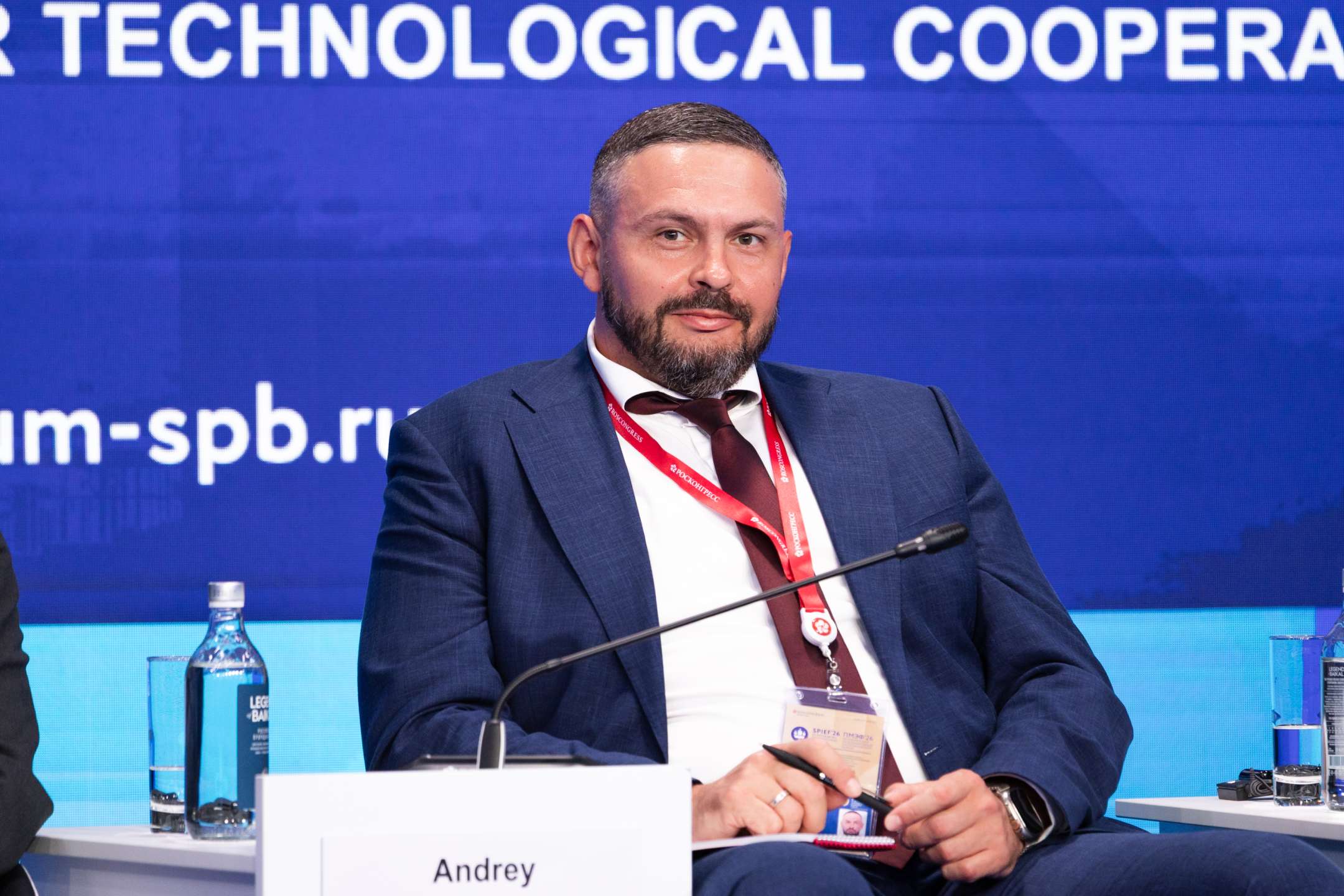
Business representatives also shared their experience of entering international markets during the session. General Director of Credo (Credo.Tech) Andrey Antonov spoke about the use of artificial intelligence technologies and language models to digitalise regulatory processes in the healthcare sector and the implementation of this development in the UAE market.
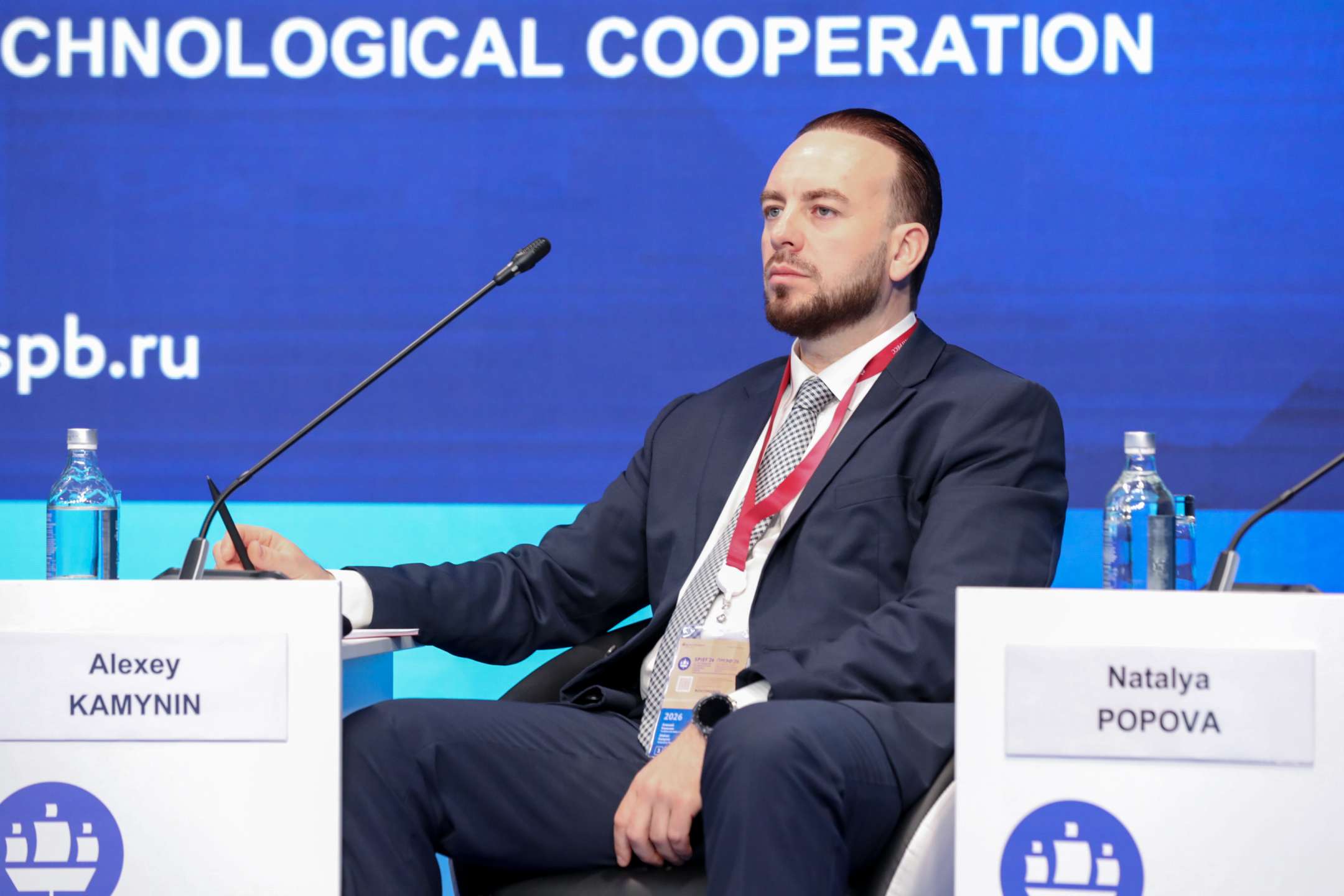
General Director of the Chelyabinsk Electrical Equipment Plant (ChZEO) Alexey Kamynin presented the experience of a Russian industrial business in developing and implementing modern solutions for energy and industry. The expert stated his readiness to bring to the international market a proprietary SCADA system – 4Z Dispatcher, a cloud service that allows remote control and management of thermal power equipment.
"This IT product will be in demand not only in the UAE, which is actively investing in the construction of data centres, but in any country in the world. For the Emirates themselves, this will mean risk diversification," - Alexey Kamynin shared his opinion with colleagues.
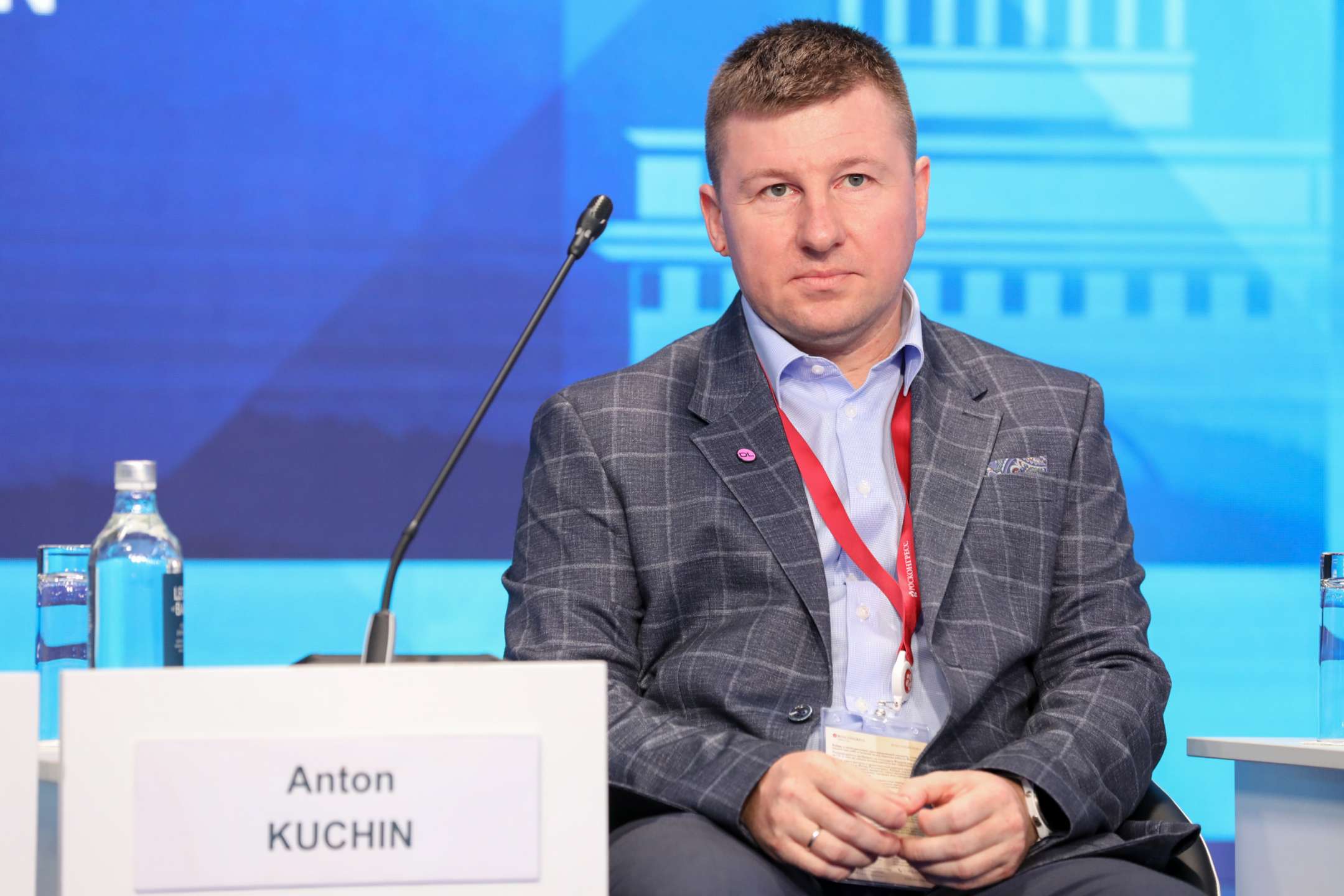
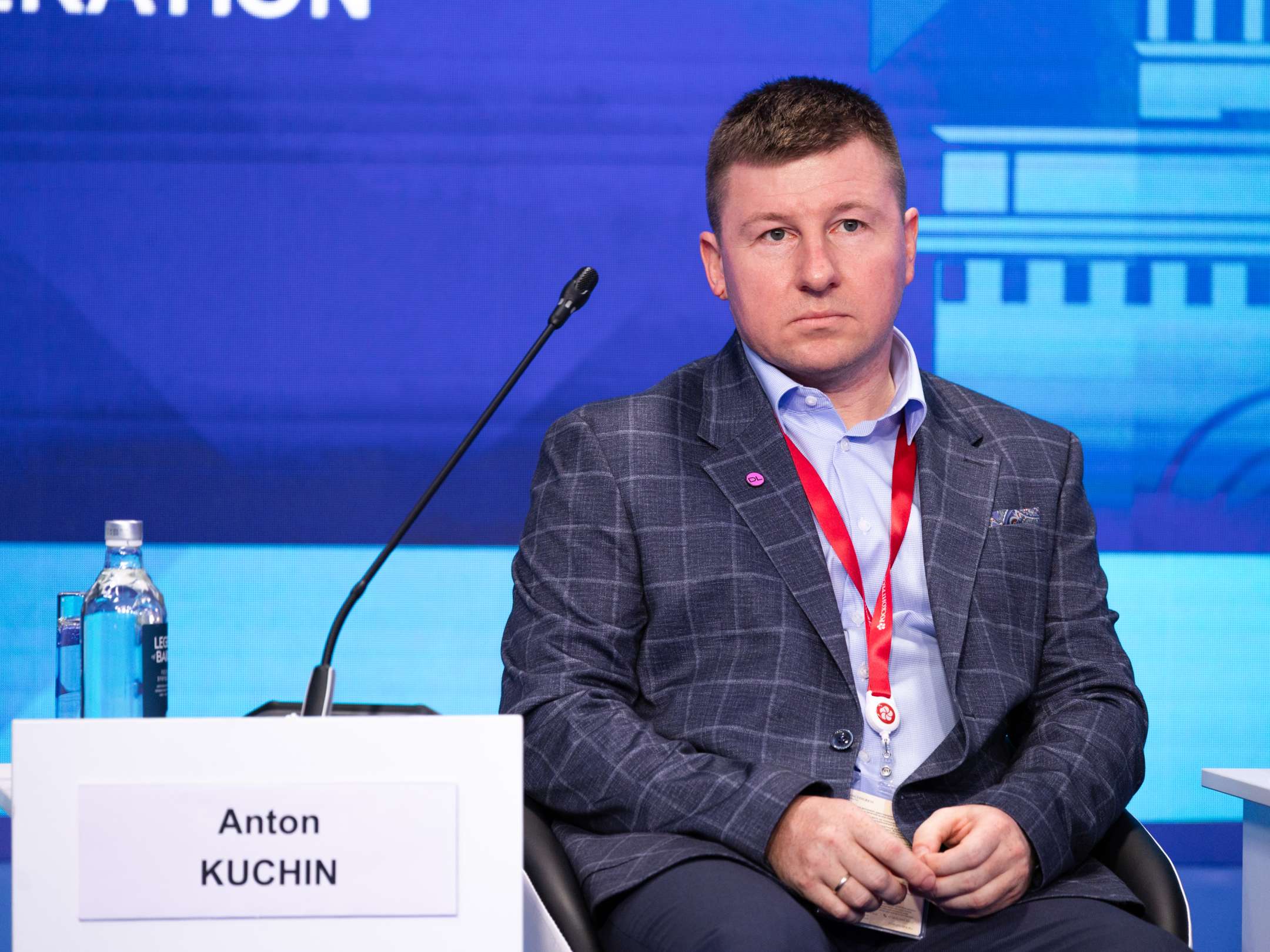
Co-founder of Digital Lab Anton Kuchin spoke about the use of digital technologies and gamification to improve the effectiveness of companies’ customer engagement and the development of new business models.
Summing up the session, Maxim Zagornov, Business Ambassador of Business Russia to the UAE, President of the Distributed Power Generation Association, Director of the Research Center for Autonomous Energy at MIPT, and session moderator, noted that Russia and the UAE are moving to a new level — from experience exchange to solution implementation.
"With the Arab Emirates, our economic relations are developing faster than anywhere else. A great deal of work in this regard has been done by the President of Russia and our numerous delegations that have recently visited the Emirates to develop relations. Today we have seen that our relations have entered a new stage: from discussing solutions to concrete actions to strengthen the economies of each of our countries. Our session today clearly demonstrated that a strong scientific base, an innovative ecosystem, product commercialisation mechanisms, and developed industrial infrastructure are all necessary elements of successful technological partnership – which we already possess and continue to develop," - concluded Maxim Zagornov.
According to him, the main outcome of the dialogue was the understanding that further strengthening of bilateral technological cooperation between Russia and the UAE is a mutually beneficial and realistic path to strengthening the sovereignty of both countries in the long term.