On April 22, the IX International Online Conference "Risk Management in the Energy Sector 2026" took place – a key international specialized event in the field of energy risk management. The event, organized by the Energy and Finance Institute Foundation with the support of the Ministry of Energy of Russia and the Black Sea Economic Cooperation Organization (BSEC), brought together leading experts from Russia, China, the UAE, Turkey, and other countries.
Conference participants discussed the risks and opportunities for ensuring energy security amidst the escalating crisis in the Middle East, current scenarios and forecasts for global energy development in the context of ongoing shifts in energy supply and demand, and Russia's role in shaping the global energy market.
Opening the conference, Deputy Minister of Energy of the Russian Federation Roman Marshavin noted that the Middle East crisis has become one of the fundamental challenges for global energy.
"For two months now, there has been no normal shipping through the Strait of Hormuz. If this transport artery remains blocked further, the world could face an energy crisis – the largest in the last 50 years. Even with a rapid reopening of the strait, returning to previous supply volumes will take time and require significant investment," the expert stated.
He also emphasized that Russia will continue to strive for equitable energy cooperation with all countries of the world, respecting Russian national interests, including through strengthening energy diplomacy.
Deputy General Director of the Ministry of Energy and Natural Resources of Turkey Rahmi Kopar confirmed that amid global turbulence, the primary questions are no longer how to extract energy resources, but how to deliver them.
"Turkey is ready to act as a global energy hub, serving as a link between electricity producers and European consumers. Turkey possesses everything necessary for this: developed infrastructure, LNG terminals, and, most importantly, the desire to contribute to stabilizing the situation," the speaker noted.
Secretary General of the International Energy Forum (IEF) Jassim Al Shirawi outlined a scenario for global energy development. According to IEF estimates, by 2035, the share of hydrocarbons will reach 80%, while non-hydrocarbon resources will account for 20%. At the same time, steady growth will be recorded in the renewable energy, small modular reactor, and gas generation sectors.
"We live in an interdependent world. We see that global risks will only increase. Hydrocarbon trade will be hampered. Today, the protection of transport infrastructure is on the agenda. It is necessary to increase the resilience of energy systems," noted Jassim Al Shirawi.
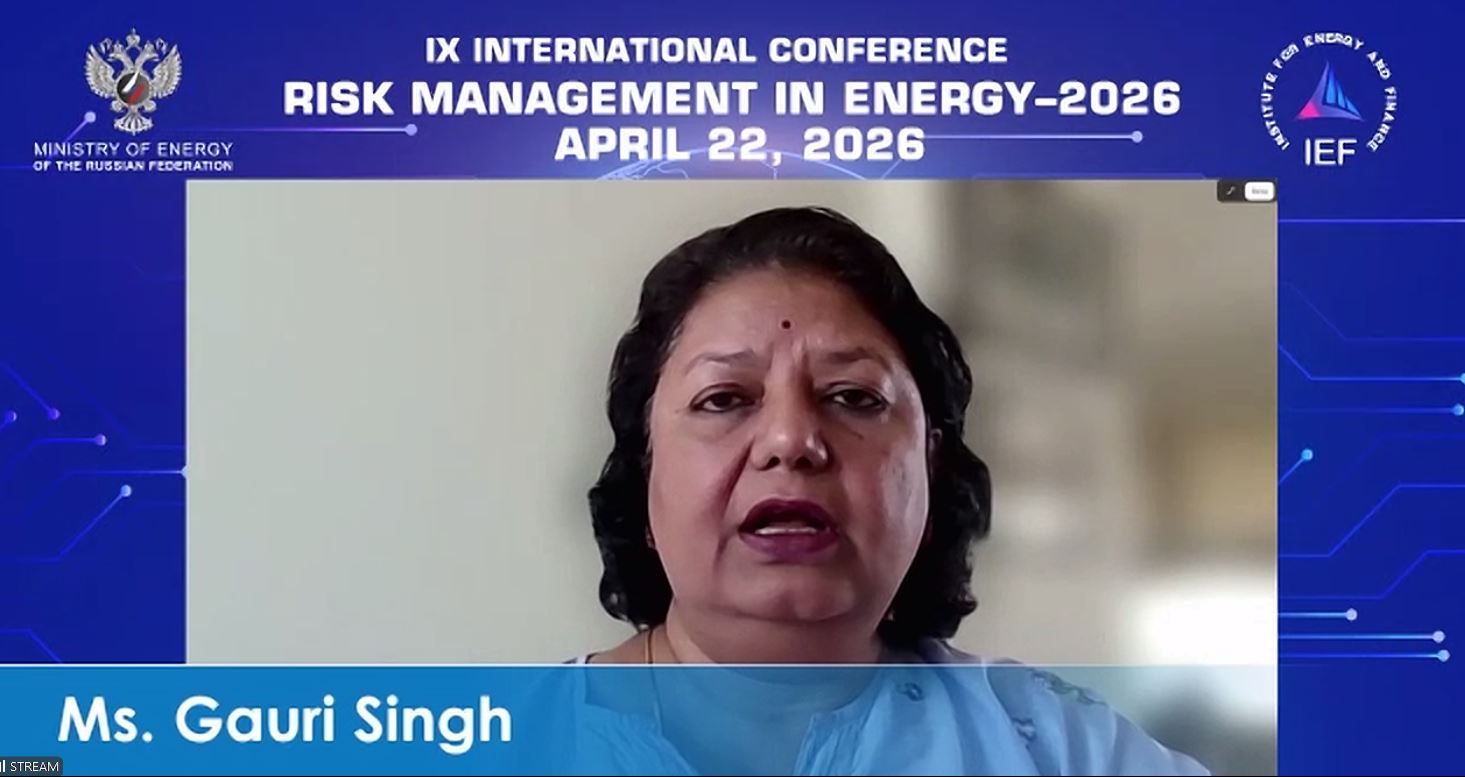
The need to enhance energy system flexibility was also voiced by Gauri Singh, Deputy Director-General of the International Renewable Energy Agency (IRENA). She noted that this can only be achieved by combining hydrocarbon and alternative energy sources that will complement rather than compete with each other.
"In 2025 alone, 692 GW of renewable energy capacity was added worldwide. But the energy transition is not only a matter of climate preservation. Today, it is also a matter of security and resilience of the energy system," stated Gauri Singh.
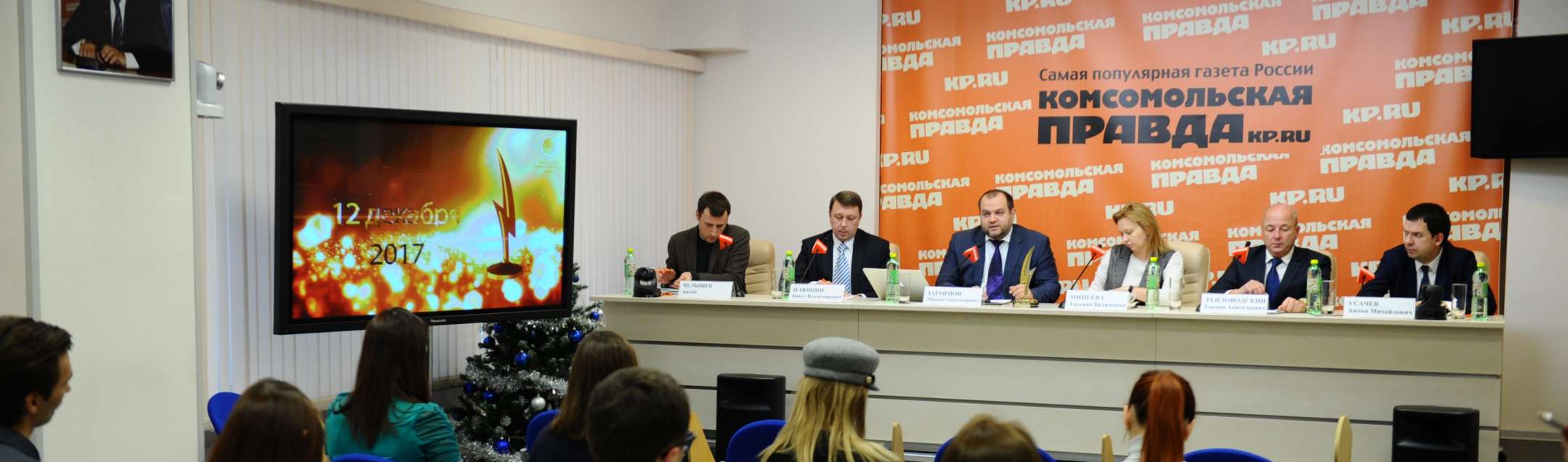
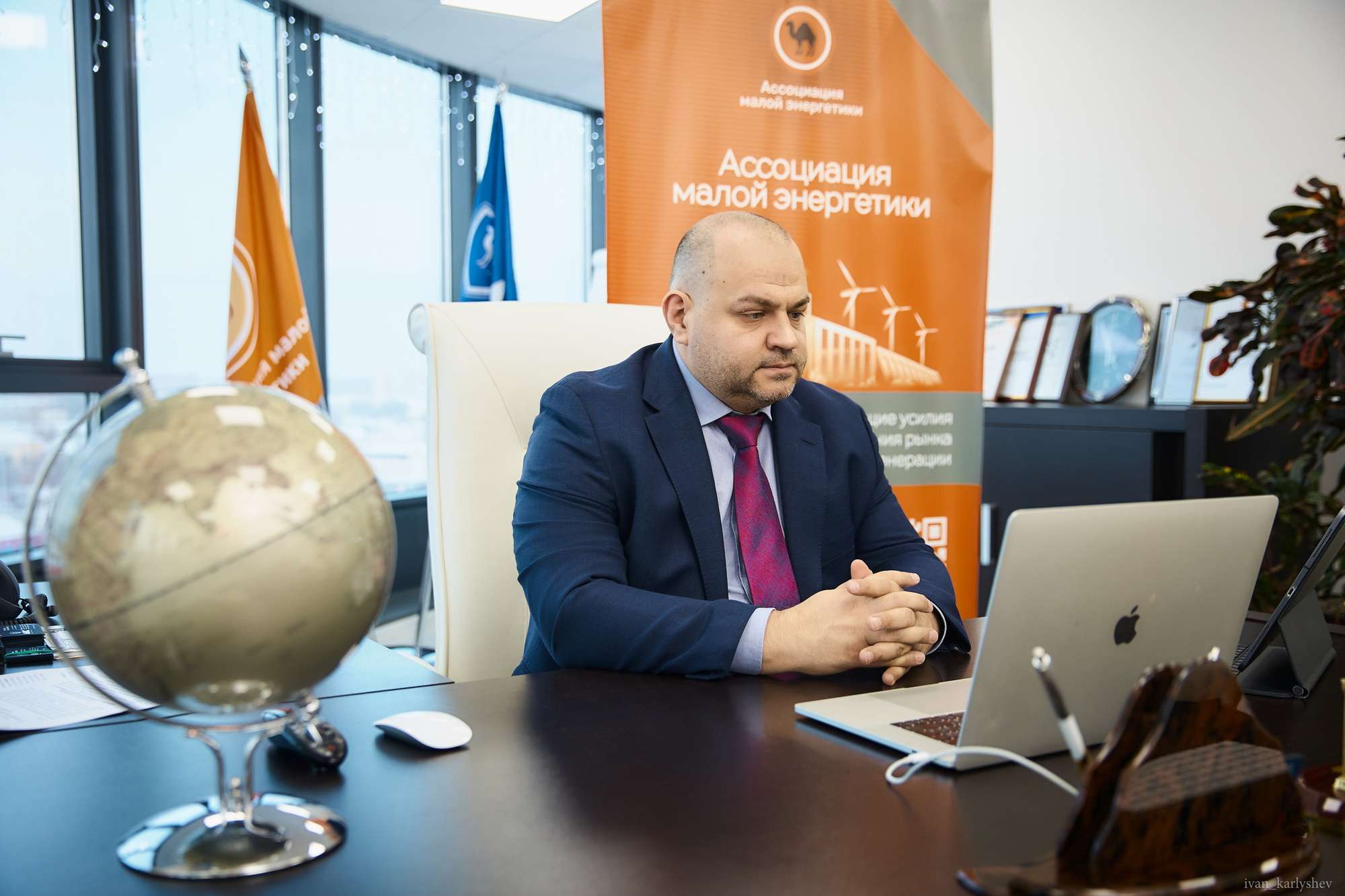
President of the Distrubuted Power Generation Association, Director of the Research Center for Autonomous Energy at MIPT, and Business Ambassador of " Business Russia " in the UAE, Maxim Zagornov, spoke about the situation in the distributed generation sector. According to his data, by the end of 2025, 1.77–2.31 GW of new distributed generation capacity was commissioned in Russia. The total installed capacity of this segment by the beginning of 2026 is estimated at approximately 38–39 GW, representing about 14–15% of the total installed capacity of the Russian electric power industry.
"Small-scale energy does not oppose or compete with large-scale energy – it complements it. Large-scale generation is necessary for the base load: cities, industry, social infrastructure. However, it requires long construction times, substantial investment, and grid development. Distributed generation solves other tasks: rapid connection of new consumers, power supply to remote territories, backup for critical infrastructure, and providing enterprises with reliable and affordable electricity," noted Maxim Zagornov.
According to Zagornov, distributed generation directly addresses industry priorities by reducing the risk of capacity shortages given growing load demand, including from the digital economy, and by ensuring reliable energy supply and efficient enterprise operations.
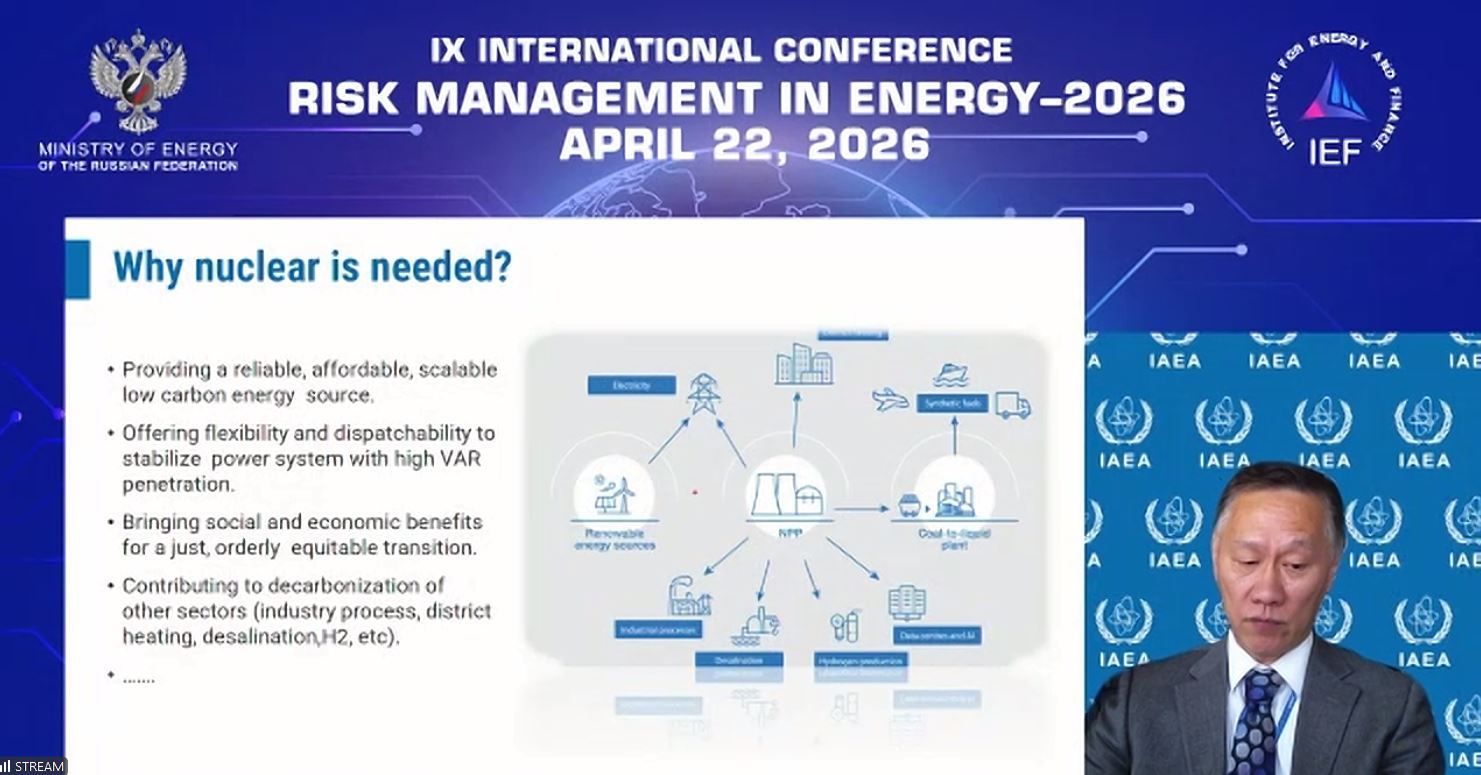
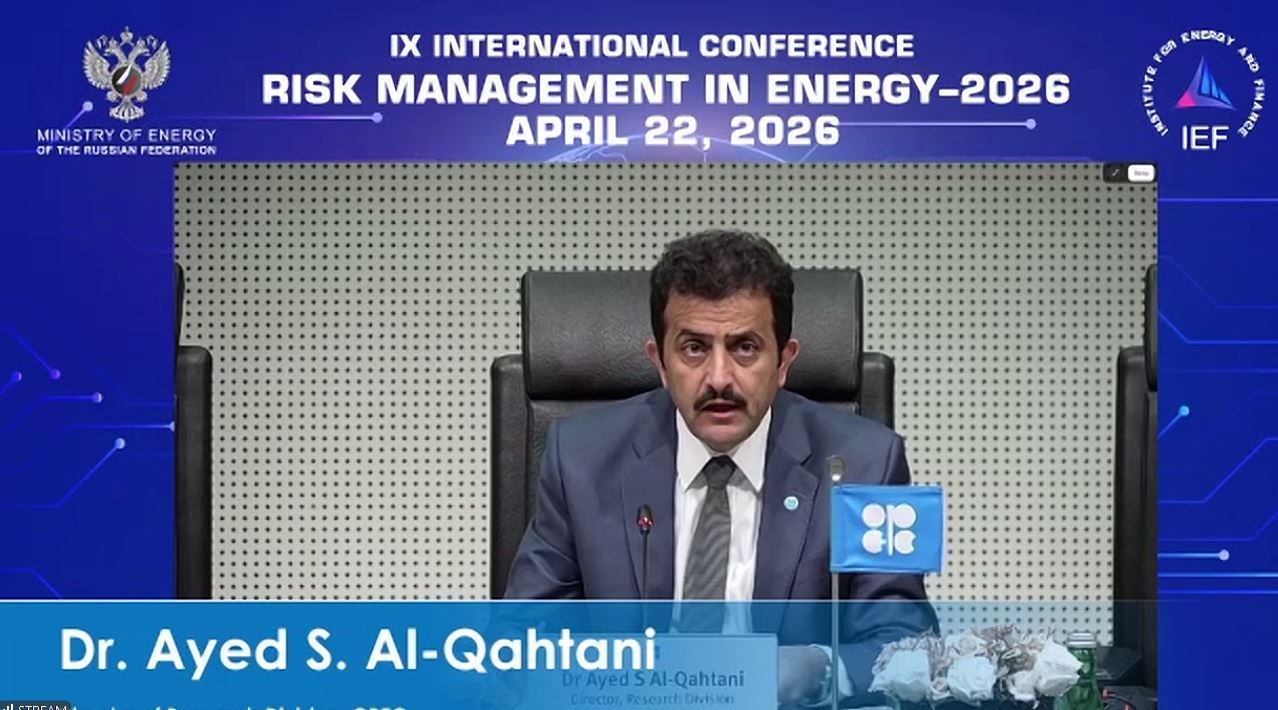
The IX International Online Conference "Risk Management in the Energy Sector 2026" was also attended by Dimitrios Rallis, Deputy Secretary-General of the Permanent International Secretariat of the Black Sea Economic Cooperation Organization (BSEC); Ayed Al-Qahtani, Head of the Research Division of the Organization of the Petroleum Exporting Countries (OPEC); Wei Huang, Director of the Planning, Information and Knowledge Management Division of the Department of Nuclear Energy of the IAEA; Serhat Köksal, President of the Black Sea Trade and Development Bank; Andrey Maksimov, Director of the Electric Power Development Department of the Ministry of Energy of Russia; and others.
Conference participants noted the particular relevance and demand for holding the event annually to develop international dialogue with the participation of Russia and all interested countries, and emphasized the need to continue further discussions on ensuring global energy security and improving risk management systems in the energy sector.